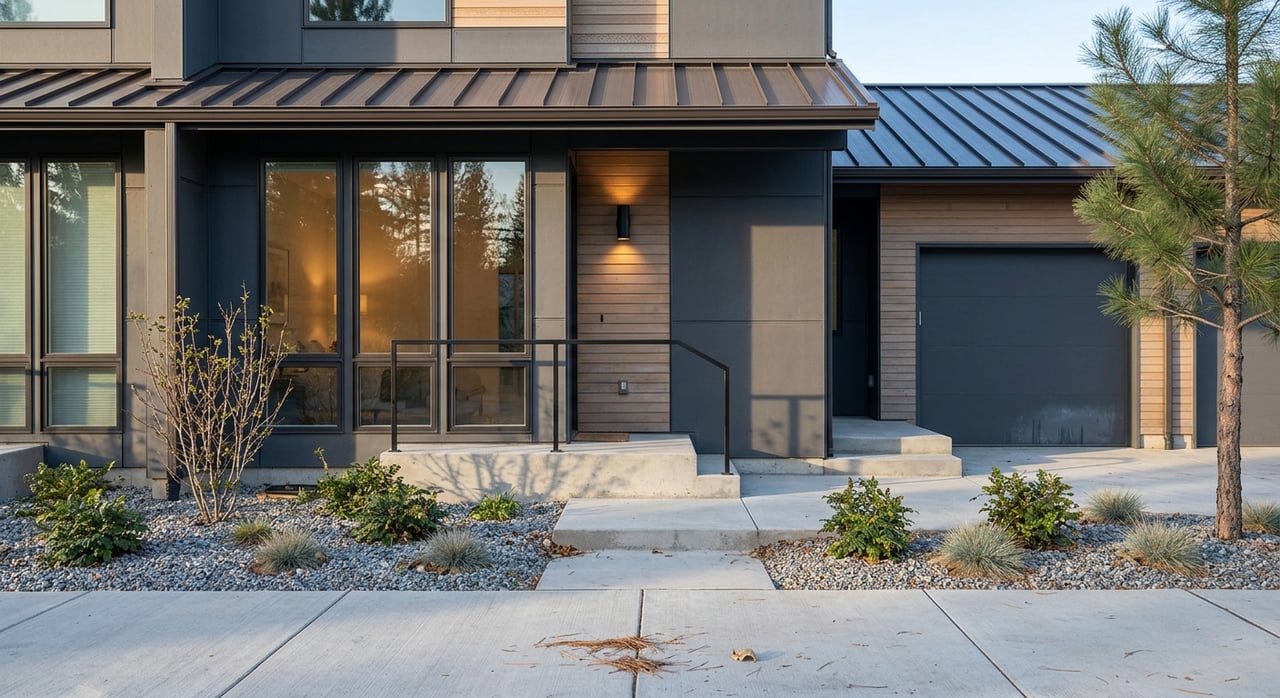
Wondering if you can buy in Aurora without giving up an easier commute? If you want homeownership with less exterior upkeep and better access to rail lines, major roads, or park-and-ride options, condos and townhomes deserve a close look. In this guide, you’ll see how Aurora’s attached-home market works, what commuting options matter most, and how to decide which setup fits your routine. Let’s dive in.
Why Aurora Appeals to Commuters
Aurora stands out for one simple reason: you have multiple ways to get around. According to the City of Aurora, the city has 11 RTD rail stops, access to two major interstates, and E-470. The city also notes that transit-oriented development is growing around station areas, which matters if you want to live closer to daily transportation options.
Rail access is a big part of the story. RTD says the A Line runs 23 miles from Union Station to DIA in about 37 minutes, with 15-minute daytime frequency. RTD also reports that the H Line has 5-minute peak frequency, while the R Line runs every 30 minutes through Aurora and connects riders to places like Aurora City Center, Anschutz Medical Campus, Fitzsimons, and DIA through an A Line transfer.
If you drive but want transit flexibility, station choice still matters. Nine Mile Station, Aurora Metro Center, and Iliff all offer different mixes of parking, rail access, and bus connections. That can make a real difference if your goal is to shorten the part of the commute you like least.
Aurora Condos vs Townhomes
For many buyers, the first question is price. Current Aurora market snapshots show about 585 condos with a median listing price of $250,000 and about 420 townhouses with a median listing price of $379,000. That places attached homes below Aurora’s broader all-home median sale price of $460,000 in March 2026.
That price gap is one reason condos and townhomes often attract first-time buyers, relocating professionals, and downsizers. If you want a lower entry point than a detached home, attached housing can open more options. It can also let you stay focused on location and commute instead of stretching only for square footage.
There are tradeoffs, of course. Condos are usually the smaller option, while townhomes tend to feel more like a traditional house. In Aurora, current examples show condos starting as small as 482 square feet, with many two-bedroom units around 900 to 1,200 square feet and larger units reaching roughly 1,500 square feet.
Townhomes usually offer more room to spread out. Current examples show multi-level layouts with 2 to 3 bedrooms, 2 to 3 baths, and about 1,100 to 2,400 square feet. That extra space often comes with a higher price, but it may also bring more storage, garage parking, and a layout that feels easier for work-from-home routines or shared living.
What the Market Means for Buyers
Aurora’s broader housing market is somewhat competitive. Homes receive 2 offers on average and sell in around 40 days. Attached homes have been moving a bit differently, with condos averaging 59 days on market and townhomes averaging 47 days.
For you, that can mean a little more room to compare options than you might expect in a faster-moving segment. It does not guarantee an easy negotiation, but it can give you time to review HOA details, commute routes, and monthly costs with more care. That matters because the right attached home is about more than the list price.
Commute-Friendly Areas Start With Access
Aurora is only minimally walkable overall, with a Walk Score of 43. In practical terms, that means you usually should not assume daily errands or station access will be easy on foot. A property that looks convenient on a map may still require careful planning around parking, bus connections, or freeway access.
That is why location in Aurora is often less about a general area and more about your actual route. If you commute to downtown Denver, the Tech Center, Anschutz, Fitzsimons, or DIA, the best fit may come down to which station or roadway connection supports your routine. For many buyers, being close to the right stop matters as much as being close to the right price point.
Nine Mile Station
Nine Mile is one of Aurora’s strongest park-and-ride hubs. RTD lists 1,225 parking spaces, 11 bus routes, and access to both the H and R lines. RTD also says in-district vehicles can park free for the first 24 hours before daily fees apply.
If you want options, Nine Mile is worth attention. The combination of bus service, rail access, and parking capacity can be especially useful if your work schedule changes or if more than one person in your household commutes in different directions.
Aurora Metro Center
Aurora Metro Center offers a smaller setup, but it still serves many commuters well. RTD lists 145 parking spaces, 9 bus routes, and R Line access. Like Nine Mile, it allows free parking for in-district vehicles for the first 24 hours, followed by daily fees.
For buyers who want to balance transit use with city access, this station can be part of a practical search area. It may be especially relevant if your routine depends more on bus connections and the R Line than on a larger parking inventory.
Iliff Station
Iliff gives you access to both the H and R lines, along with a 600-space paid lot that RTD identifies as privately owned. Parking terms differ here, so it is smart to confirm details before deciding that this station fits your daily routine.
That small distinction matters. If park-and-ride use is part of your plan, station-specific parking rules should be part of your home search, not an afterthought after closing.
HOA Costs and What to Review
A condo or townhome purchase in Aurora often includes an HOA, and that monthly cost should be part of your budget from day one. In Colorado, these communities typically fall under the Common Interest Ownership Act. The Colorado Division of Real Estate says buyers should review the association documents available under the Colorado Contract to Buy and Sell and ask whether the association is professionally managed.
The state also explains that HOA assessments help cover common expenses, boards adopt budgets and collect assessments, and reserve funds help pay for deferred or large expenses. Special assessments may also be used for specific repairs or new construction. One important detail from the state is that reserve studies are not required by CCIOA.
That means low-maintenance living does not mean no surprises. A lower monthly HOA fee may look appealing at first, but you also want to understand what it covers, how strong the reserves are, and whether major repairs could lead to added costs later. In one current Aurora townhome example, the HOA is $260 per month and includes access to a community pool, which shows how much dues and benefits can vary by community.
Who Condo or Townhome Living Fits Best
Aurora condo and townhome living often works best if you value convenience, a lower-maintenance setup, and a commute-friendly location. That can be a strong match for first-time buyers, relocating professionals, downsizers, or anyone who would rather skip a large yard and focus on access. If your priority is efficient ownership and a manageable routine, attached housing may line up well with your goals.
On the other hand, you may want to think carefully if your top priorities are detached-home privacy, a substantial yard, or minimal HOA involvement. Those preferences are valid, and they can point you toward a different property type. The goal is not choosing the “best” home on paper. It is choosing the home that supports how you actually live.
Transit Changes Worth Watching
Aurora’s transportation network is still evolving. The City of Aurora says East Colfax BRT construction will extend into Aurora in May 2026 from Yosemite to I-225. For future residents along the Colfax corridor, that could improve east-west access over time.
Projects like this are worth watching if you are buying with a longer timeline in mind. Even if your immediate commute is the main focus, future transit improvements can shape convenience, demand, and how a location feels a few years from now.
How to Shop Smarter in Aurora
When you compare Aurora condos and townhomes, try to look at the full monthly picture instead of only the purchase price. Your housing payment, HOA dues, parking setup, rail access, and driving route all affect day-to-day affordability and convenience. A lower-priced condo farther from your ideal route may not feel like the better value once your routine starts.
It also helps to narrow your search by lifestyle first. Ask yourself whether you want easier airport access, better Denver Tech Center access, park-and-ride convenience, more interior space, or lower monthly costs. Once you know your priorities, the right communities tend to stand out much faster.
If you want help sorting through Aurora’s attached-home options, commute patterns, and HOA questions, JJ Alexander is here to offer relationship-first guidance tailored to how you actually live and work.
FAQs
What makes Aurora a good place for commuter-friendly condo living?
- Aurora has 11 RTD rail stops, access to major interstates and E-470, and station areas that connect commuters to downtown Denver, DIA, the Denver Tech Center, Aurora City Center, and Anschutz Medical Campus.
What is the price difference between Aurora condos and Aurora townhomes?
- Current Aurora market snapshots show a median listing price of about $250,000 for condos and about $379,000 for townhomes.
What should buyers know about Aurora HOA fees for condos and townhomes?
- HOA fees can cover common expenses, amenities, and shared upkeep, but buyers should also review budgets, reserve funds, management structure, and the possibility of special assessments.
Which Aurora park-and-ride stations are most useful for commuters?
- Nine Mile, Aurora Metro Center, and Iliff are key options, with different parking counts, bus connections, rail access, and fee structures depending on the station.
Is Aurora walkable enough for car-free condo or townhome living?
- Aurora is minimally walkable overall, with a Walk Score of 43, so most buyers should pay close attention to station access, parking, bus routes, and freeway connections when choosing a home.