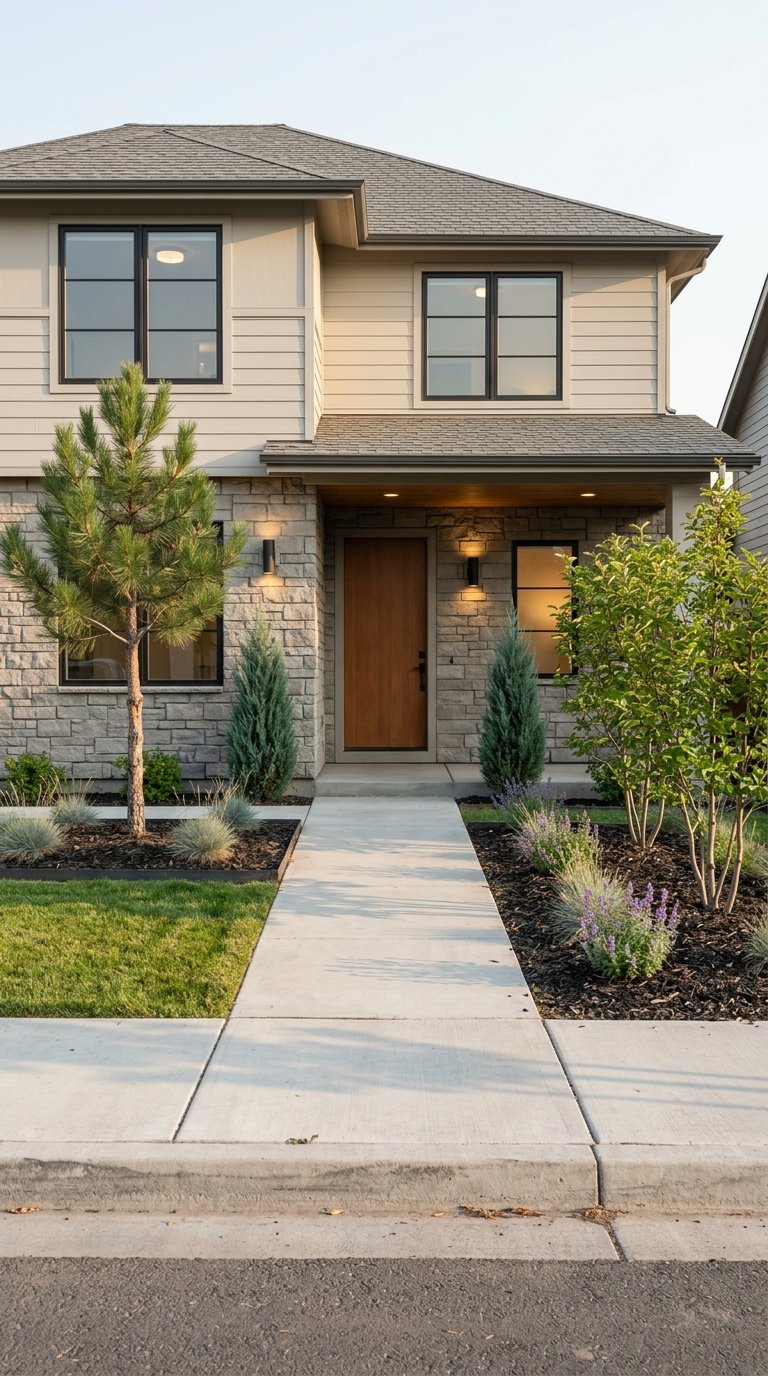
Wondering whether a newer Brighton community or an older established neighborhood is the better fit for you? That choice can feel tricky because Brighton is growing, but it still offers a wide mix of housing styles, street patterns, and neighborhood experiences. If you are trying to balance home style, yard space, walkability, design rules, and day-to-day convenience, this guide will help you compare your options with more confidence. Let’s dive in.
Brighton Has Both New and Established Options
Brighton is not just a new-build city, and it is not only an older central market either. The city’s 2025 Community Development Annual Report shows active residential filings in communities such as Brighton Crossing, Brighton East Farms, Farmlore North, Homestead, Inspired, Northstar, Prairie Center Village, Ridgeline Vista, and Brighton Reserve.
That ongoing activity matters because it gives you more than one path as a buyer. You can look at newer master-planned areas with more recent construction, or you can focus on established parts of Brighton that reflect earlier eras of development and a more traditional street layout.
Brighton’s growth is also tied to real housing demand. The city’s Housing Needs Assessment says Brighton needs 3,100 homes by 2033 across income ranges, including 1,450 homes affordable to households at or below 80% of area median income.
Newer Brighton Neighborhoods: What to Expect
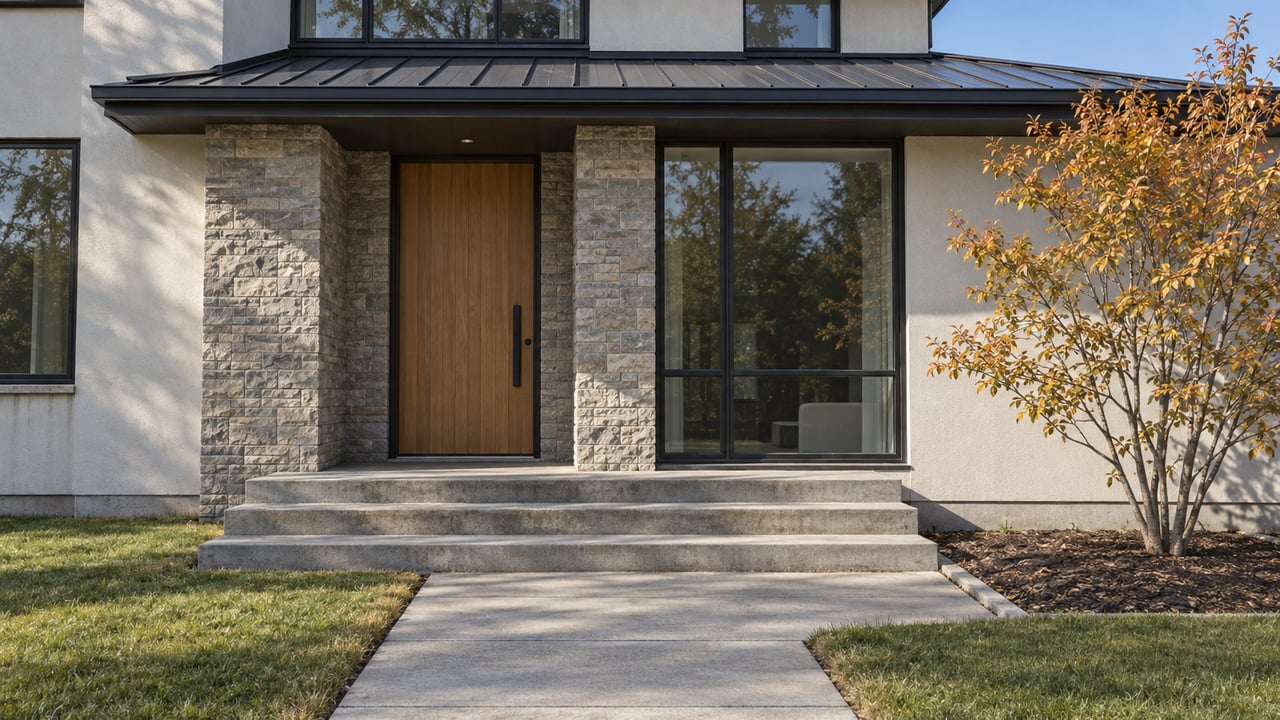
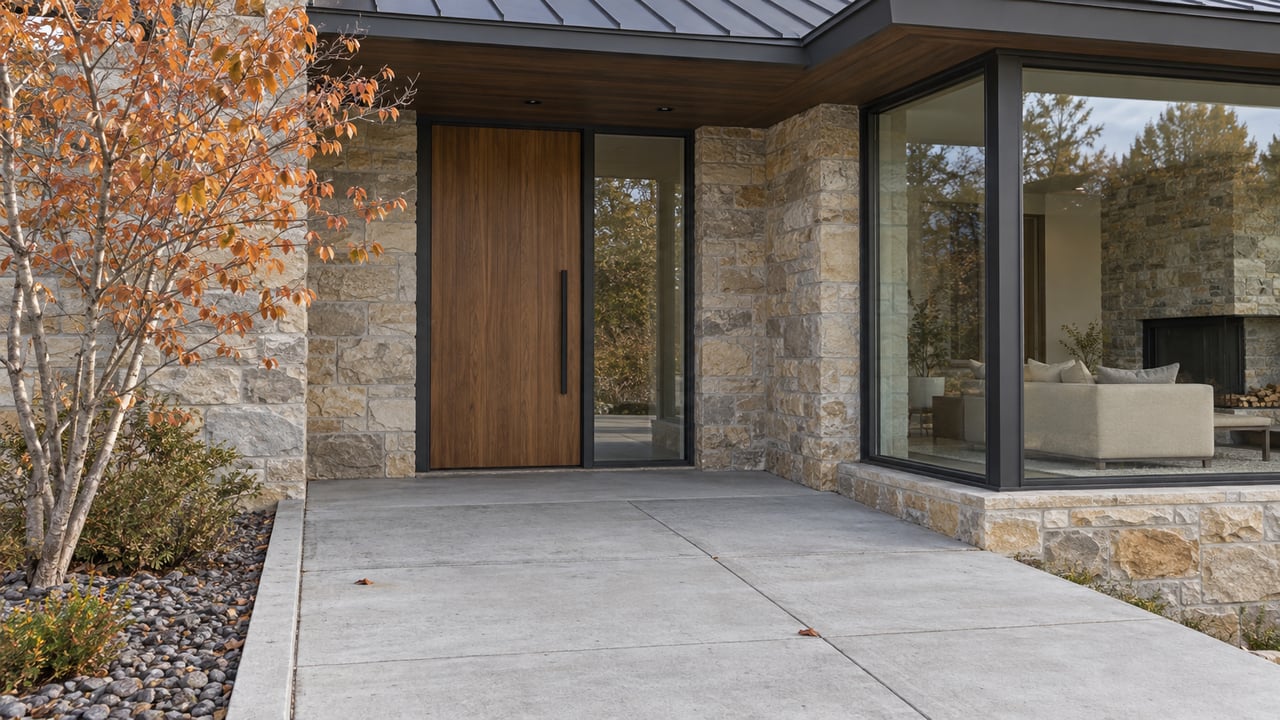
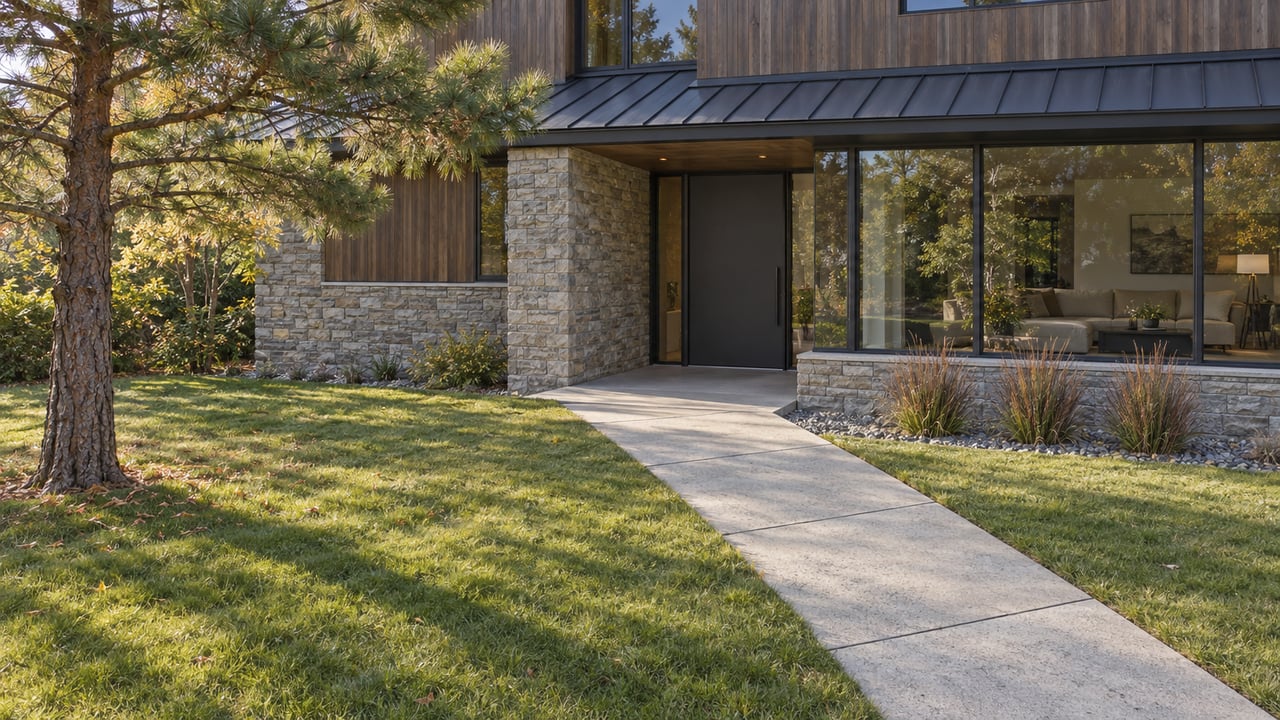
If you are drawn to newer construction, Brighton offers a broad range of housing types. City permit records show that newer communities can include detached homes, alley-loaded garage homes, and 5-plex townhomes with attached garages.
That mix is important because newer Brighton neighborhoods are not all built the same way. Still, the city data suggests they often share a more planned and uniform feel than older street-by-street development.
More Predictable Streetscapes
In many newer neighborhoods, the overall layout tends to feel more coordinated. Homes are often built around similar timeframes, with more consistent setbacks, exterior rhythms, and subdivision planning.
For many buyers, that creates a cleaner and more predictable look. If you like neighborhoods where the streetscape feels intentional and the product types are easier to compare, a newer area may be appealing.
Smaller Lots, Newer Floorplans
Brighton’s lot-size study found that newer residential projects often have lots around 6,000 to 6,500 square feet. By comparison, the city reported a 2010 to 2019 average residential lot size in Brighton of about 0.20 acres, or roughly 8,700 square feet.
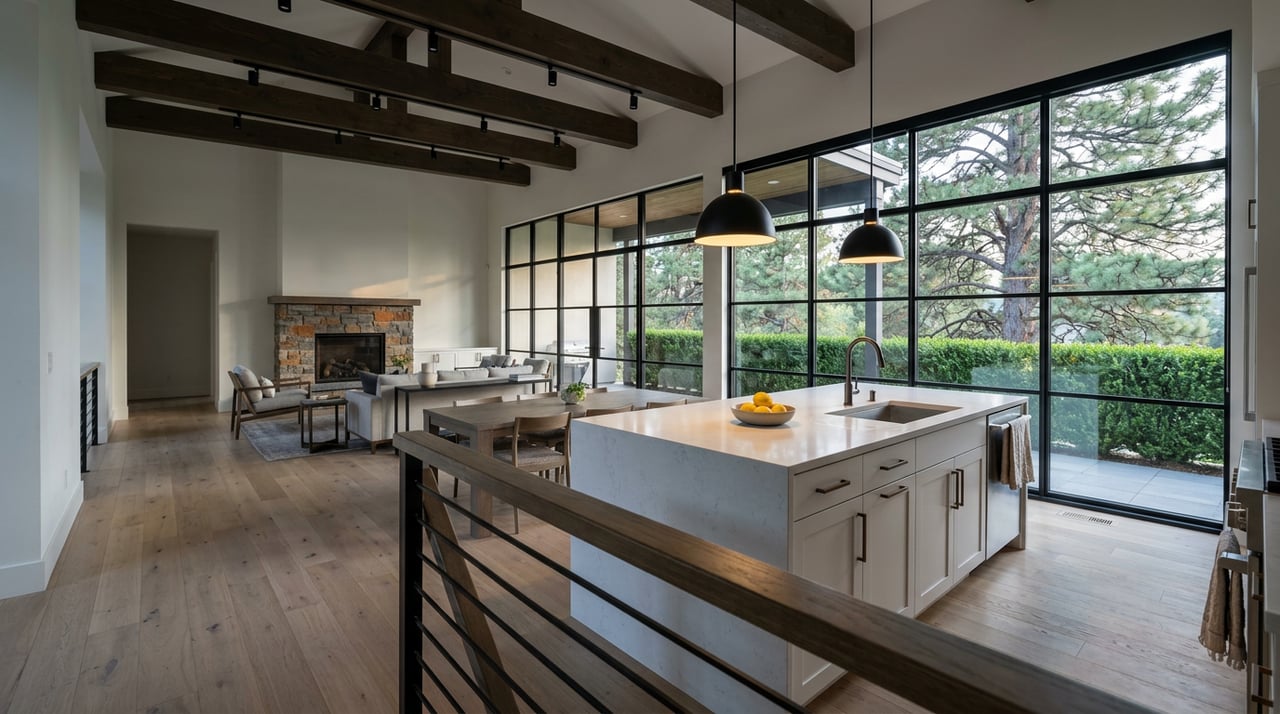
The practical tradeoff is pretty straightforward. In many newer neighborhoods, you may get a more modern floorplan and newer finishes, but usually with a smaller yard than older housing patterns once offered.
More Housing Variety
Some newer Brighton communities include housing types beyond the traditional detached home. Townhomes, attached garages, and alley-loaded garage layouts can give buyers more options depending on budget, maintenance goals, and space needs.
If you want flexibility in home type while staying within a newer neighborhood setting, these communities may offer more choices in one area than older subdivisions typically do.
Established Brighton Neighborhoods: What to Expect
If you are more interested in character, established parts of Brighton may stand out right away. The city’s Historic Resources Survey describes several housing types found in older neighborhoods, including Classic Cottages, Craftsman homes, Foursquares, Minimal Traditional homes, Ranch homes, and Split-level homes.
That variety can create a very different feel from a newer master-planned community. Instead of one consistent design era, you may see blocks shaped by decades of development and changing architectural trends.
More Architectural Character
Older Brighton neighborhoods often reflect the time in which they were built. In central areas north and south of Bridge Street, the survey notes Classic Cottages and Craftsman homes, while ranch and split-level homes appear more often in later subdivisions.
For buyers who want a home with a stronger sense of era or visual individuality, established neighborhoods may offer more appeal. The homes may not look as uniform, but that is often part of their charm.
Different Street Rhythm
The survey also notes that ranch and split-level forms typically need longer street frontage, driveways, deeper front setbacks, and front-facing garages. In practical terms, that can change how a street feels block by block.
Compared with newer communities, established neighborhoods may have a less standardized curb pattern. You may notice more variation in setbacks, garage placement, and home orientation, which can make the area feel more organic and less planned.
Closer Ties to Central Brighton
Established neighborhoods can also place you closer to downtown Brighton and the city’s historic core. The Downtown Partnership says downtown symbolizes Brighton’s “small town” appeal even as the city continues to grow.
If being near older streets, traditional commercial areas, or the central part of town matters to you, established neighborhoods may offer a location advantage. That can be a major lifestyle factor, separate from the home itself.
Sidewalks, Parks, and Everyday Living
Neighborhood choice is not just about the house. It is also about how the area works for your everyday routine.
Brighton has a strong citywide park and recreation system. Parks & Recreation says the city oversees 1,096 acres of municipal parkland and open space, including 43 developed parks, 48 miles of paved and soft-surface trails, 20 athletic fields, and facilities like the Brighton Recreation Center, Sue Corbett Active Adult Center, and Brighton Oasis Family Aquatic Park.
City Amenities Support Both Neighborhood Types
That broad amenity base means both newer and established neighborhoods can offer access to parks and recreation. According to the city’s master plan, neighborhood parks generally serve a 1/4-mile to 1-mile radius, while community parks serve a broader 1.5-mile radius and support organized sports, picnicking, and events.
In other words, you do not have to choose between “new” and “livable.” Brighton’s public amenities support many parts of the city, though the feel and layout around those amenities may differ from one neighborhood type to another.
Older Areas May Have More Sidewalk Variation
Brighton’s pedestrian plan says sidewalks are generally present across developed areas, but width and street buffer vary. It also notes that attached sidewalks are common in older parts of the city, especially in the gridded downtown core.
The same plan flags some pedestrian barriers and sidewalk gaps in older Brighton and downtown. So if walkability details matter to you, it is smart to look beyond whether a sidewalk exists and pay attention to how that sidewalk actually functions on the blocks you are considering.
Design Rules and Buyer Due Diligence
One of the biggest differences between new and established Brighton neighborhoods can come after closing. The question is not just what the home looks like today, but what rules may affect your ownership later.
Newer Areas May Have More Layers of Review
Brighton notes that some subdivisions require residential design standards review for a new home, and those submittals are only accepted once the subdivision is platted. That means buyers in newer areas should expect the possibility of more formal design controls.
On top of that, some homes may also be part of a homeowners association. Colorado DORA advises buyers to review HOA documents carefully before closing, including the declaration, plat map, maintenance responsibilities, assessments, and property-use restrictions.
Historic Areas Have Separate Rules
If you are looking near downtown, the Downtown Historic District adds another layer to understand. The city says exterior work in the district requires a Certificate of Appropriateness from the Historic Preservation Commission before construction, remodeling, repair, relocation, or demolition work proceeds.
That does not mean a historic-area home is the wrong choice. It simply means the approval path for exterior changes may be different than what you would see in a newer subdivision or a non-historic established area.
A Simple Brighton Checklist
When you compare neighborhoods in Brighton, keep these questions in mind:
- What are the annual HOA dues?
- What does the HOA maintain?
- Are there any special assessments?
- Are architectural approvals required?
- Is the property subject to city design review?
- Is the home inside the Downtown Historic District?
These details can shape your long-term experience just as much as square footage or finishes.
How to Choose the Right Fit
For many buyers, the choice comes down to lifestyle tradeoffs rather than one option being better than the other. Newer Brighton neighborhoods may fit you best if you want newer floorplans, more predictable streetscapes, and a wider mix of modern housing types such as townhomes or alley-loaded garage homes.
Established neighborhoods may be a better match if you value older architecture, a more central street pattern, and a character-driven setting closer to Brighton’s traditional core. You may also want to be prepared for differences in sidewalk layout, older infrastructure patterns, or historic-review requirements in some areas.
The best move is to compare neighborhoods through your real daily priorities. Think about how much yard space you want, how important architectural character is to you, whether you prefer a newer subdivision feel, and what level of design or HOA oversight you are comfortable with.
If you want help narrowing down the right Brighton neighborhood for your goals, JJ Alexander offers relationship-first guidance to help you compare communities, understand the tradeoffs, and move forward with confidence.
FAQs
What makes newer Brighton neighborhoods different from established ones?
- Newer Brighton neighborhoods often offer more modern floorplans, more uniform streetscapes, and a mix of housing types such as detached homes and townhomes, while established neighborhoods often offer older architectural styles, more varied street patterns, and a stronger connection to central Brighton.
Are lot sizes smaller in newer Brighton communities?
- In many cases, yes. Brighton’s lot-size study found newer residential projects often have lots around 6,000 to 6,500 square feet, which is smaller than the city’s 2010 to 2019 average residential lot size of about 8,700 square feet.
Do Brighton established neighborhoods have more architectural variety?
- Yes. Brighton’s Historic Resources Survey identifies housing types in older areas such as Classic Cottages, Craftsman homes, Foursquares, Minimal Traditional homes, Ranch homes, and Split-level homes.
What should Brighton buyers check about HOA and design rules?
- Brighton buyers should review HOA dues, maintenance responsibilities, special assessments, architectural approval requirements, possible city design review, and whether a home is located in the Downtown Historic District.
Does downtown Brighton have special property rules?
- Yes. In the Downtown Historic District, exterior work requires a Certificate of Appropriateness from the Historic Preservation Commission before certain work can move forward.
Do both new and established Brighton neighborhoods have access to parks?
- Yes. Brighton manages 1,096 acres of parkland and open space, 43 developed parks, 48 miles of trails, and several recreation facilities, so buyers in different parts of the city can benefit from a strong public amenity system.