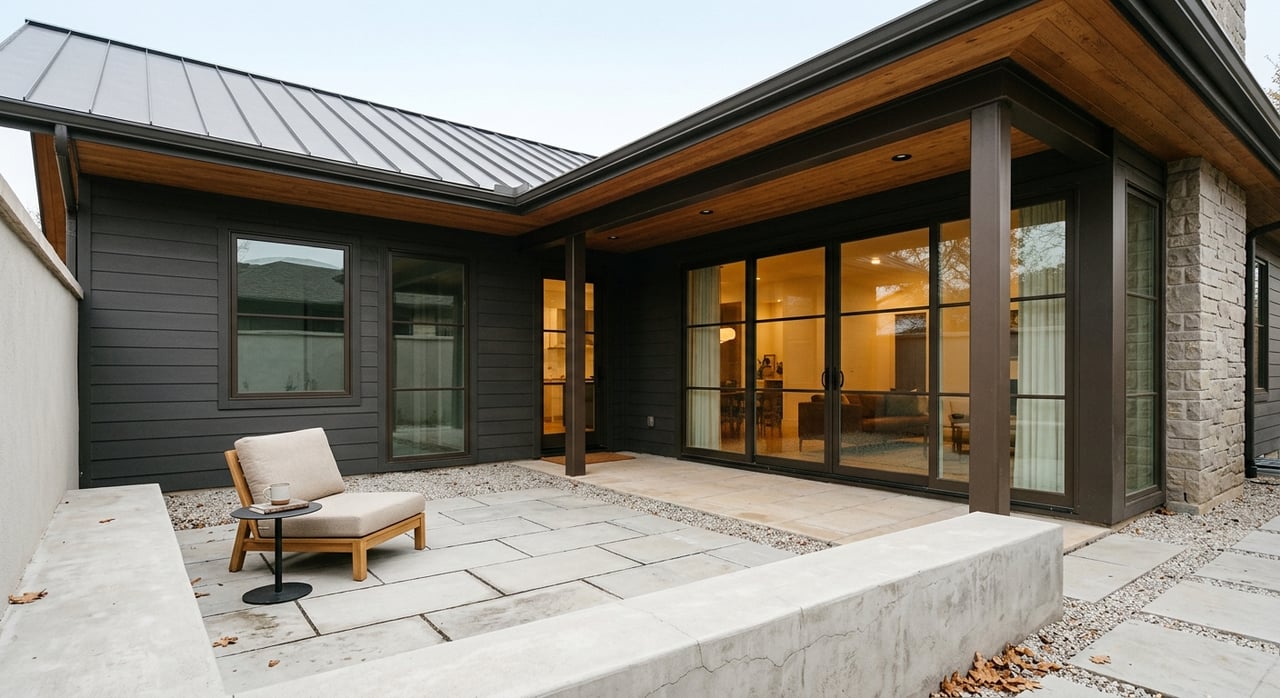
Thinking about trading stairs and yardwork for a lighter, lock‑and‑leave lifestyle near Boulder’s trails and shops? If you live in or around the Centennial Trail and Arapahoe Ridge pocket of south Boulder, you have options that keep you close to the places you love while simplifying day‑to‑day living. In this guide, you’ll learn how condos, patio or villa homes, townhomes, and single‑level ranches compare, what to look for in south Boulder, and the key rules and costs to check before you make a move. Let’s dive in.
Centennial Boulder snapshot
First, a quick clarification. This article focuses on the Centennial Trail area inside Boulder near Arapahoe Ridge, not the separate City of Centennial in the south Denver suburbs. If you want to stay close to south Boulder’s paths, open space, and services, this is a great place to narrow your search.
Boulder remains a high‑value market. Citywide prices trend in the high six to low seven figures, while condominiums generally provide a more affordable entry point than detached single‑family homes. Within Boulder, sub‑areas vary. South Boulder and nearby 80303 addresses often offer a different mix of condos, townhomes, and midcentury ranches than central or north Boulder, so it pays to target your search by neighborhood.
Nearby alternatives can stretch your budget. Towns like Longmont, Louisville, Superior, and Broomfield often offer more single‑level or low‑maintenance choices and, in some cases, lower median prices than the Boulder core. If you want maximum value, compare staying in Boulder with shifting a few miles east or north.
Why downsizers choose south Boulder
- Trails and open space: Boulder’s network of paths and OSMP access points make the area ideal if you want to step out for a ride or walk without a long drive. Explore trail and biking maps on the City’s page for biking and OSMP access.
- Everyday convenience: Grocery options in South Boulder and Table Mesa, plus downtown Pearl Street and medical providers within a short drive, make single‑car living more practical.
- Regional transit: The US‑36 corridor’s Flatiron Flyer bus rapid transit connects Boulder with the Denver metro. The Flatiron Flyer FAQ explains routes, frequency, and park‑and‑ride options if you prefer not to drive daily.
Your right‑sized home options
Downsizing is not one‑size‑fits‑all. Here is how the main home types compare and why each appeals to Centennial‑area buyers.
Condominiums
- What they are: You own the interior of your unit, while an HOA handles most exterior and common‑area maintenance. Buildings range from garden‑style to mid‑rise with elevators.
- Why they work: Condos are Boulder’s most common lock‑and‑leave option. You reduce exterior chores, often gain amenities like secure entry and underground parking, and stay close to trails, shops, and transit.
Townhomes
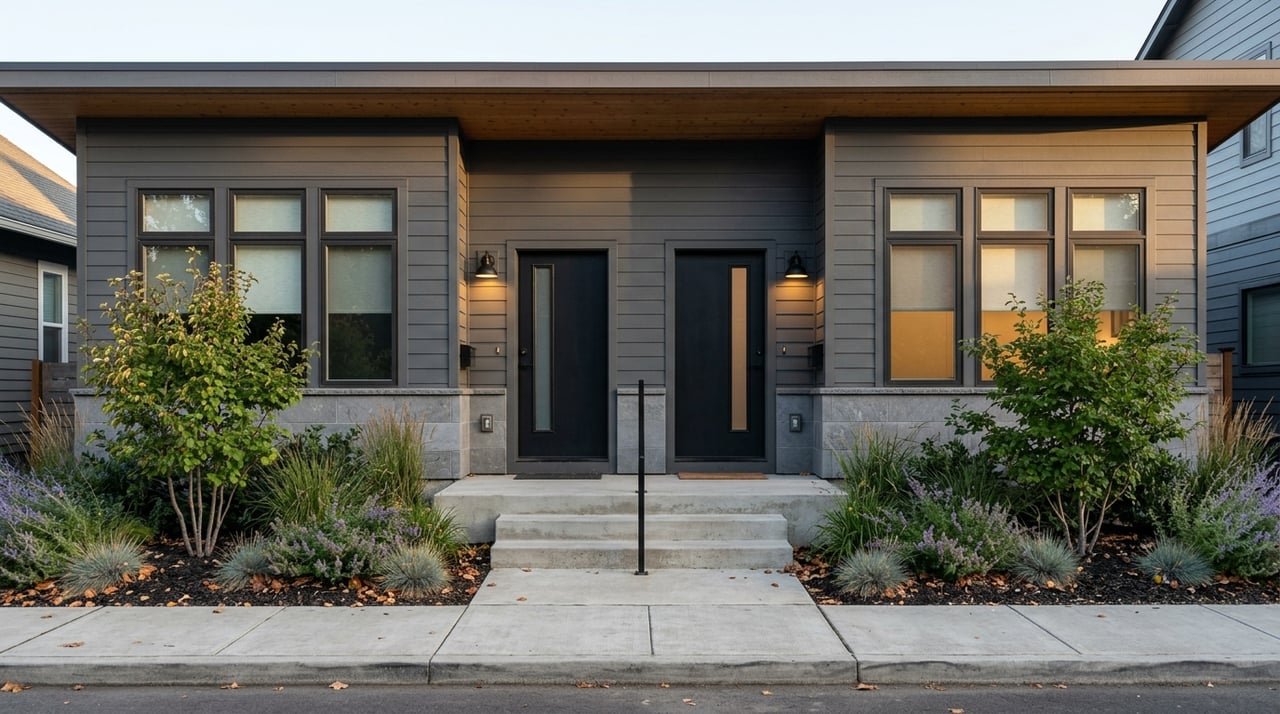
- What they are: Attached homes, usually two or three levels, sometimes with a small yard or private garage. Many communities have an HOA that covers some exterior upkeep.
- Why they work: Townhomes split the difference between a condo and a detached home. You keep more storage and privacy than a typical condo but avoid most of the heavy yardwork.
Patio homes, villas, and garden homes
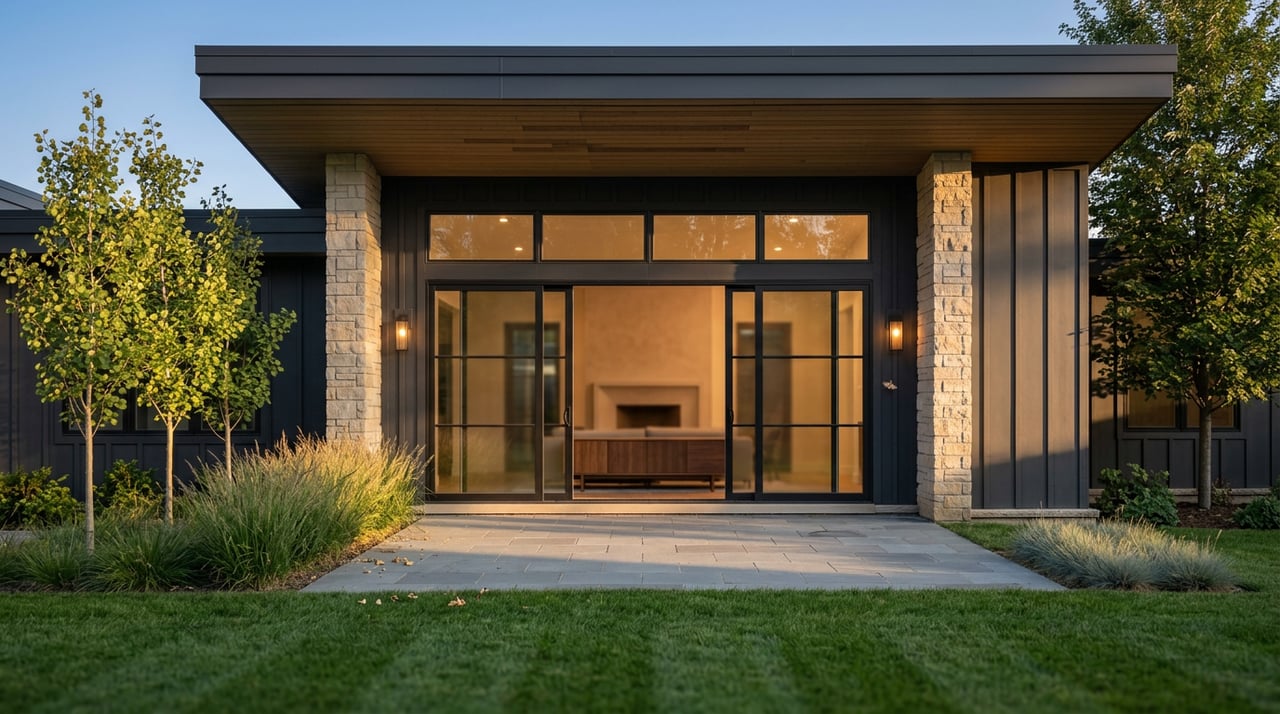
- What they are: Smaller‑lot, low‑maintenance homes, often single level or one‑and‑a‑half stories. They may be detached or clustered and usually include an HOA to handle landscaping and snow removal.
- Why they work: If you want the feel of a house without the yard burden, patio or villa homes offer simpler ownership and an easier footprint.
Ranch‑style single‑story homes
- What they are: One‑level “rambler” layouts that place bedrooms and living spaces on the main floor. Learn more about ranch homes from this plain‑English overview of what defines a ranch‑style home.
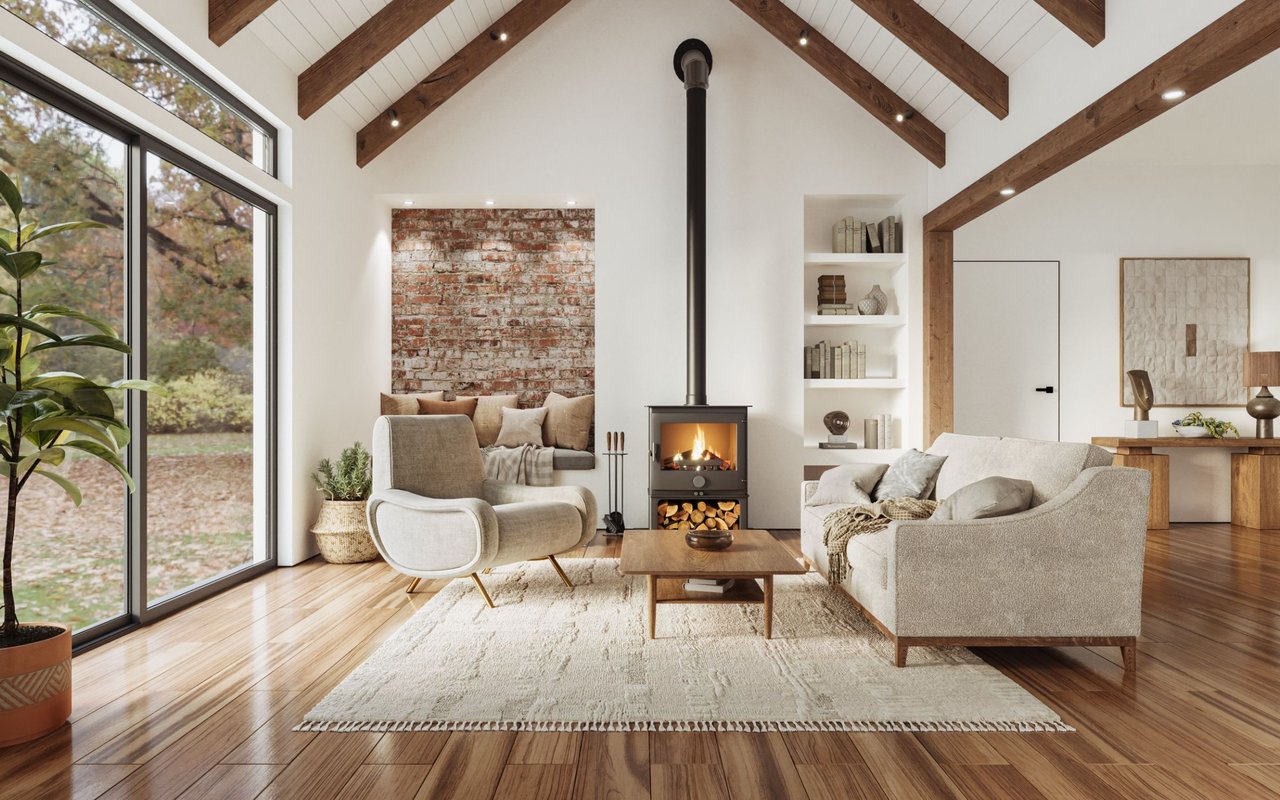
- Why they work: One‑level living supports aging‑in‑place goals and removes daily stair climbing. In Boulder you will see a range from midcentury ranches to newer builds.
Lock‑and‑leave features to prize
- Secure or managed buildings
- Elevators and step‑free entries
- Underground or assigned parking plus storage lockers
- HOAs that cover exterior maintenance, snow removal, and grounds
AARP’s recent research shows many older adults want lower housing costs and maintenance while staying connected to services and walkable amenities. If that sounds like you, focus on one‑level living, simpler upkeep, and proximity to community assets. See highlights from AARP’s 2024 Home and Community Preferences for more context.
Which option fits your lifestyle
- Choose a condo if you value minimal upkeep, secure entry, and elevator access.
- Choose a townhome if you want a private garage and a bit more storage, with some exterior help from the HOA.
- Choose a patio or villa home if you prefer a house feel on a smaller lot with HOA‑handled landscaping.
- Choose a ranch if single‑level living and private yard space matter most.
What to look for in Centennial‑area homes
One‑level or step‑free access
Prioritize true single‑level floor plans or main‑floor primary suites. In mid‑rise buildings, confirm elevator access and the distance from parking to your front door. In patio or ranch homes, check for minimal thresholds and wide halls for easier daily movement.
Parking and storage
Ask about assigned spaces, garage dimensions, and storage lockers. Many downsizers keep a vehicle and outdoor gear, so having room for bikes, skis, and camping equipment can be the difference between clutter and comfort.
Outdoor connection without the upkeep
If you love to get outside, make trail access part of your search criteria. The City’s biking and OSMP page is a good tool to understand nearby paths, open space, and connections.
HOA scope and stability
Request the HOA’s rules and financials early. In Colorado, the Common Interest Ownership Act (CCIOA) outlines owner rights and HOA recordkeeping. Use the Colorado Division of Real Estate’s summary to understand what you can request and review the full list of documents. Start with the CCIOA and HOA resources page.
Rules and risks to check early
HOA health and documents
Ask for CC&Rs, bylaws, the current budget, reserve study, recent financials, meeting minutes, and any notices about special assessments or litigation. Focus on reserve strength, roof or elevator timelines, and insurance coverage limits and deductibles.
Short‑term rental restrictions
If you plan to offset costs with vacation rentals, know the rules. In the City of Boulder, short‑term rentals must be your principal residence and require a Short‑Term Rental license for stays of 29 days or fewer. Review the City’s short‑term rental licensing page before you assume income potential.
Wildfire risk and insurance
Wildfire is a real factor across parts of Boulder County. Insurers have adjusted underwriting in higher‑risk zones, and premiums or coverage can vary. Boulder County’s Wildfire Partners program offers assessments, mitigation guidance, and documentation that can help with insurance conversations. Learn more about Wildfire Partners assessments and ask for quotes early in your process.
Property taxes and reassessment
Colorado’s reappraisal cycles and split assessment rates can change your tax bill after a purchase. Estimate taxes at your likely price point and ask about senior exemptions or relief programs if relevant. The County explains examples and calculations on its property tax calculation page.
Building age and upcoming costs
Even low‑maintenance buildings have systems that age. In condos, ask about elevator servicing schedules, boiler or chiller ages, roof condition, and whether reserves match upcoming needs. In townhomes, patio homes, and ranches, check roof, windows, HVAC, and drainage, along with any HOA responsibilities for exterior repairs.
Will you actually save money by downsizing here
It depends on where you land. Inside Boulder, you often reduce exterior maintenance and may lower square footage, but overall housing costs may not drop dramatically if you stay in the core. Savings are more likely if you shift to nearby towns like Longmont or Superior, where medians are often lower and single‑level or patio‑style options are more common.
A practical way to answer this is to model a three to five year plan. Estimate your sale proceeds, new purchase price, HOA dues, property taxes, insurance, utilities, and any planned renovations or furnishings. Compare that to your current costs and decide whether the lifestyle and maintenance savings are worth it.
Your downsizing financial checklist
- Equity and net proceeds: Ask for a comparative market analysis and a net sheet that includes agent fees, closing costs, and any prep work.
- Taxes on your sale: Ask a CPA if you qualify for the IRS home sale exclusion under Section 121, which can allow you to exclude up to $250,000 if single or $500,000 if married, subject to ownership and use rules. Review IRS Publication 523 for details.
- New property taxes: Use Boulder County’s examples to estimate taxes at your expected purchase price and ask about any senior programs.
- HOA dues and reserves: What is covered, when was the last reserve study, and are there pending assessments or litigation? Review CCIOA guidance and request full records.
- Insurance and wildfire: Can you obtain a policy with reasonable coverage and deductibles at the address you want, and does the home have mitigation steps documented by Wildfire Partners or a similar program?
- Rental rules: If occasional renting matters to you, confirm both HOA rental policies and the City’s owner‑occupied rule for short‑term rentals.
- Accessibility: Look for a true main‑floor bedroom and bath, wider doors, lever handles, low‑threshold showers, and minimal steps. Price potential retrofits if needed.
- Three to five year cash flow: Map out your expected income, expenses, and reserves so your decision supports your overall retirement plan.
Centennial living highlights
- Trails and paths: Use the City’s biking and OSMP resources to see how close you are to open space and key trailheads.
- Shops and services: South Boulder and Table Mesa offer grocery and dining, while central Boulder and Pearl Street add culture and entertainment within a quick drive or bike ride.
- Regional access: The Flatiron Flyer BRT links Boulder with the Denver metro so you can reach flights, appointments, or events without daily driving.
Make your next step feel simple
Downsizing in the Centennial Trail area is about keeping what you love about Boulder while easing the rest. You trade yardwork for trails, simplify maintenance, and stay connected to the places and people that matter. When you are ready to compare options, review HOA and city rules, confirm insurance and taxes, and create a clear cost picture so your move supports the lifestyle you want.
If you would like a thoughtful, step‑by‑step plan and introductions to the right communities for your goals, connect with JJ Alexander for a friendly consultation. We will listen first, map your options, and help you downsize with confidence.
FAQs
Will downsizing in Boulder lower my total housing costs
- Often you will reduce maintenance and square footage, but total costs may not fall much inside Boulder; shifting to nearby towns with lower medians can produce more savings.
Can I use a Boulder condo for Airbnb income
- The City of Boulder requires short‑term rentals to be your principal residence and to be licensed for stays of 29 days or fewer; read the City’s short‑term rental rules.
What condo or HOA documents should I review before buying
- Request CC&Rs, bylaws, budgets, reserve studies, financials, meeting minutes, and insurance details; Colorado’s CCIOA outlines your rights on the state HOA resource page.
Are there many 55 plus communities near Boulder
- Age‑restricted options inside Boulder are limited; you will find more choices in nearby suburbs and new master plans; see national context on 55 plus housing types.
How can I stay close to trails and services in Centennial Boulder
- Focus on the Centennial Trail and Arapahoe Ridge pocket for paths and quick access to shops, and use the City’s biking and OSMP map plus the Flatiron Flyer for regional trips.