Wondering how much you really need to do before listing your Englewood home? In a market where buyers still have options, the homes that feel clean, well cared for, and ready for photos often make the strongest first impression. If you want to sell with less stress and more confidence, the right prep plan can help you focus on what matters most. Let’s dive in.
Why prep matters in Englewood
Englewood remains an active market, but the numbers vary depending on the source and how each platform measures price and timing. For example, Zillow’s Englewood home value data showed a home value index of $511,836 and about 46 days to pending as of Feb. 28, 2026, while other reports showed different price points and timelines.
The bigger takeaway is not the exact number. It is that buyers have choices, and that means presentation and pricing matter. When your home looks polished from day one, you give buyers a clearer reason to act.
That point lines up with broader county trends too. Realtor.com’s Arapahoe County overview described the county as a seller’s market in late 2025, but homes were still taking time to move depending on price, condition, and competition. In other words, a strong launch can still make a meaningful difference.
Start with the basics first
Before you think about staging accents or listing photos, begin with the visible-condition reset. According to the National Association of Realtors consumer guide on marketing your home, cleaning, decluttering, curb appeal, and competitive pricing all play a role in how your home is marketed and perceived.
The most commonly recommended prep steps from agents are simple and practical. In the NAR 2023 Profile of Home Staging, agents most often recommended decluttering, whole-home cleaning, removing pets during showings, and handling minor repairs.
For most Englewood sellers, that means your best first move is this sequence:
- Declutter every room
- Deep clean the whole home
- Fix small visible issues
- Refresh the exterior
This order works because it helps you improve the overall feel of the home before you spend time or money on finishing touches.
Declutter to make rooms feel bigger
Decluttering is often the highest-impact step because it changes how buyers experience the space. Too much furniture, crowded shelves, and overfilled countertops can make rooms feel smaller and more distracting than they really are.
Try to remove anything that pulls attention away from the room itself. That includes extra chairs, personal collections, oversized storage bins, and anything sitting on kitchen or bathroom counters that does not need to be there.
If you are not sure what to keep out, think simple. Buyers should be able to walk in and quickly understand the layout, storage, and function of each room.
Deep clean before photos and showings
A clean home signals care. The NAR photo prep handout notes that cameras tend to magnify dust, clutter, and poor furniture arrangement, which is why a spotless home matters before your photo shoot.
Focus extra attention on windows, carpets, lighting fixtures, walls, kitchens, and bathrooms. These areas tend to stand out in both photos and in-person tours.
Natural light also plays a big role. Open blinds, clean the glass, and replace any bulbs that make the home feel dim or uneven.
Tackle minor repairs buyers notice
Small defects can create an outsized negative impression. Loose handles, chipped paint, squeaky doors, dripping faucets, and burned-out light bulbs may seem minor, but together they can make buyers wonder what else has been overlooked.
You do not always need a major remodel before listing. In many cases, a thoughtful pass through the house to fix obvious cosmetic issues is enough to create a cleaner and more move-in-ready feel.
If you are trying to prioritize, start with repairs that buyers will notice right away during a showing or that are likely to show up in close-up photos.
Boost curb appeal early
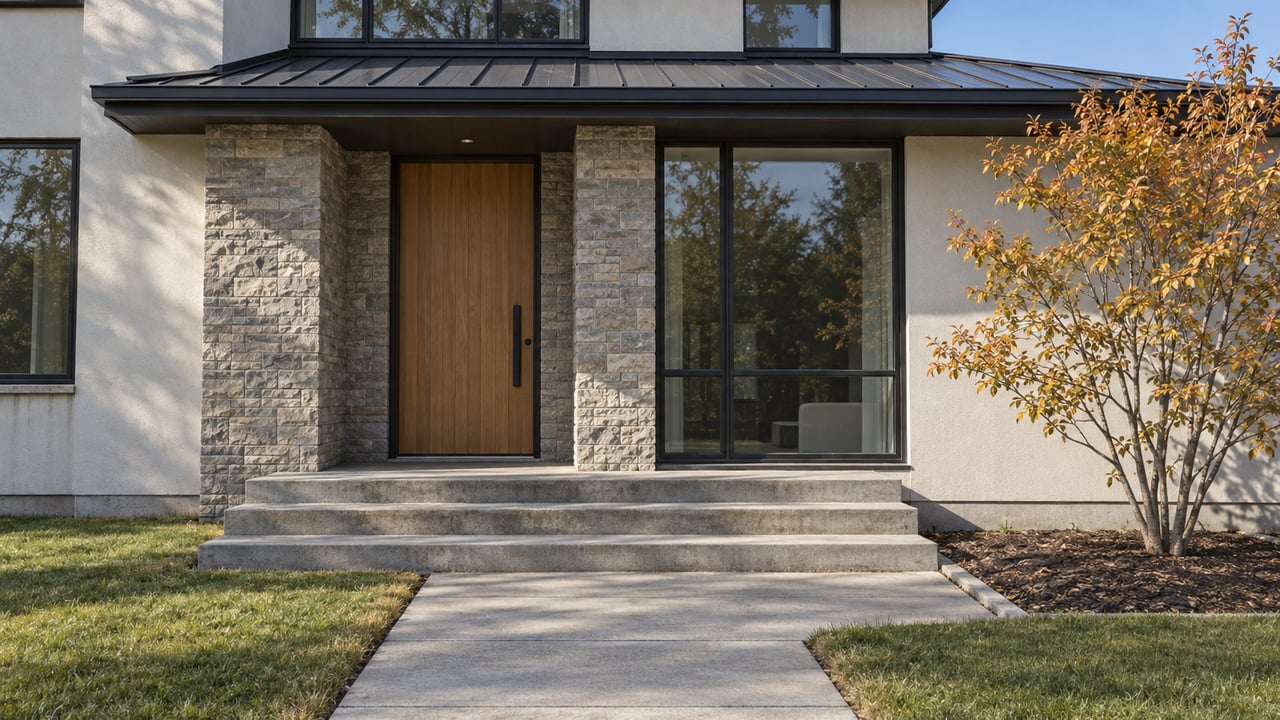
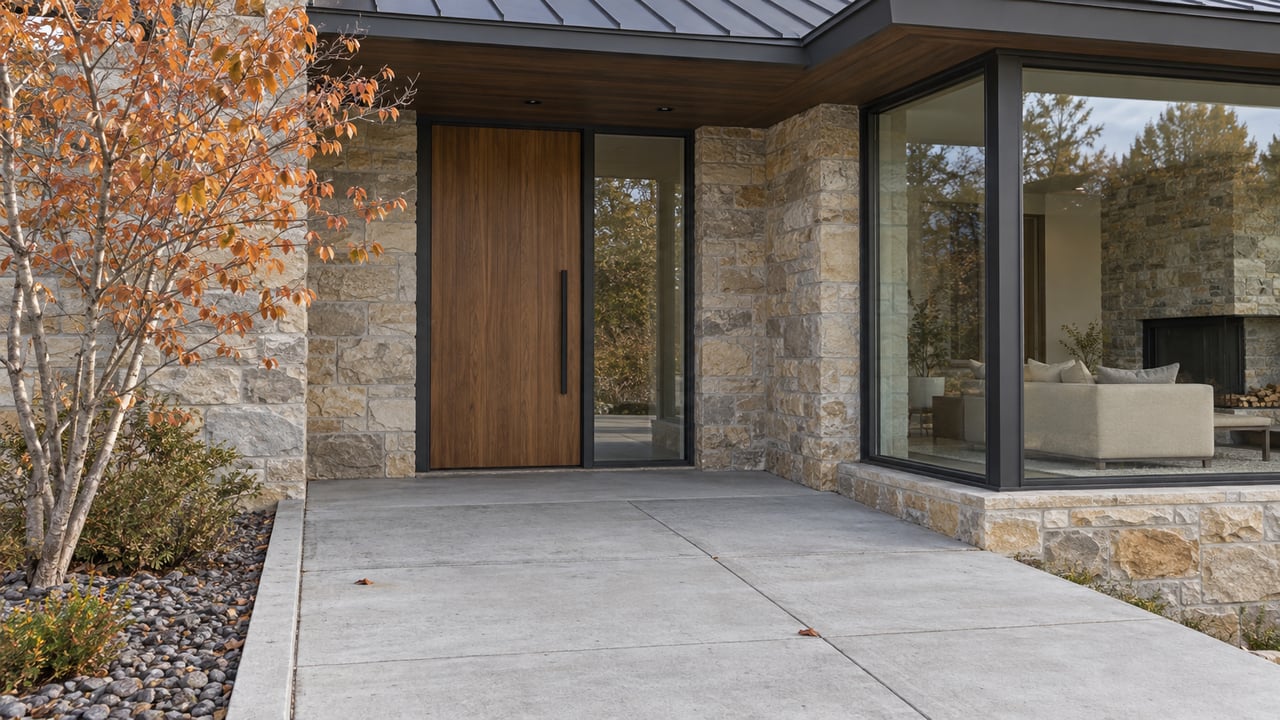
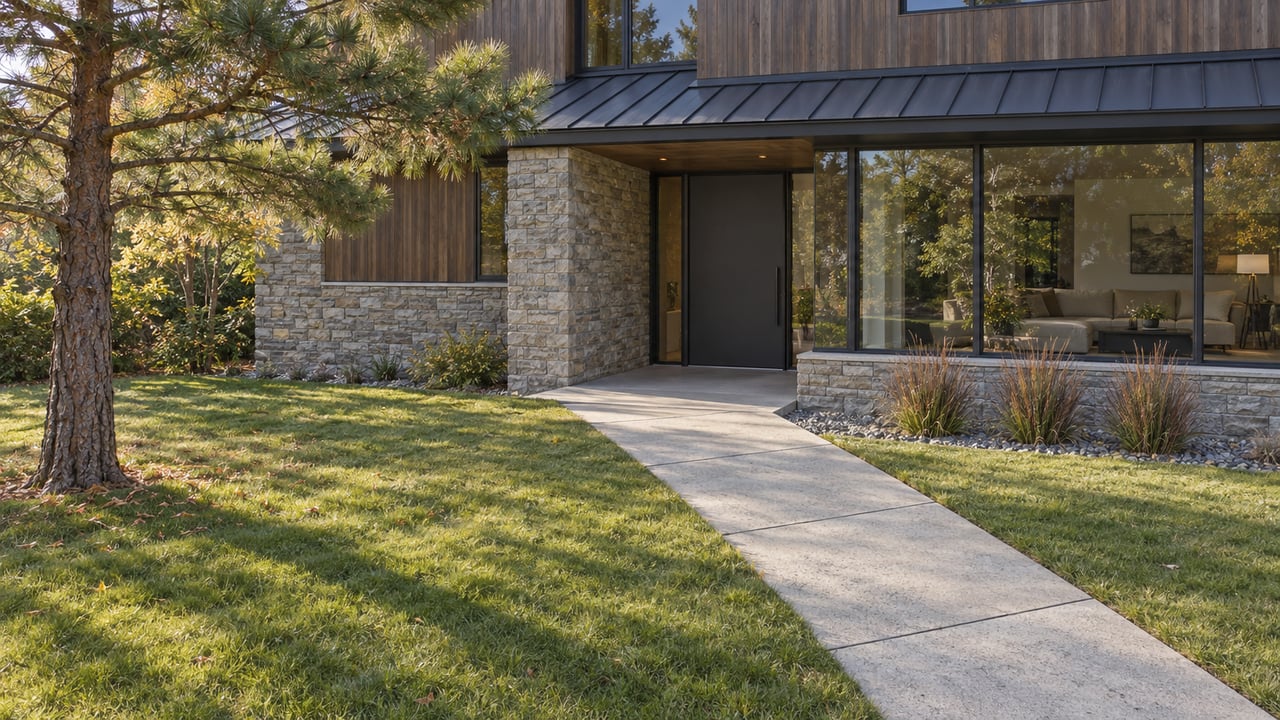
First impressions start before buyers walk inside. NAR defines curb appeal as the street view of the home, and even simple updates like landscaping clean-up or fresh paint can shape how buyers feel before they reach the front door.
That matters in Englewood, where buyers may be comparing several homes in one afternoon. A tidy yard, trimmed plants, swept walkway, and clean front entry can help your home feel more welcoming from the start.
You do not need to overdo it. The goal is a cared-for exterior that supports the value you are asking buyers to see inside.
Stage the rooms that matter most
If you are deciding where to focus your energy, not every room needs the same level of attention. The NAR staging report found that the rooms buyers notice most are the living room, primary bedroom, and kitchen.
That is helpful because it gives you a practical roadmap. If your time or budget is limited, make sure those spaces feel open, bright, and easy to understand.
NAR’s staging guidance also recommends using neutral wall colors, streamlining décor, letting in natural light, opening up the space, and removing worn flooring where possible. Even a few simple adjustments can make these key rooms photograph and show better.
Focus on the living room
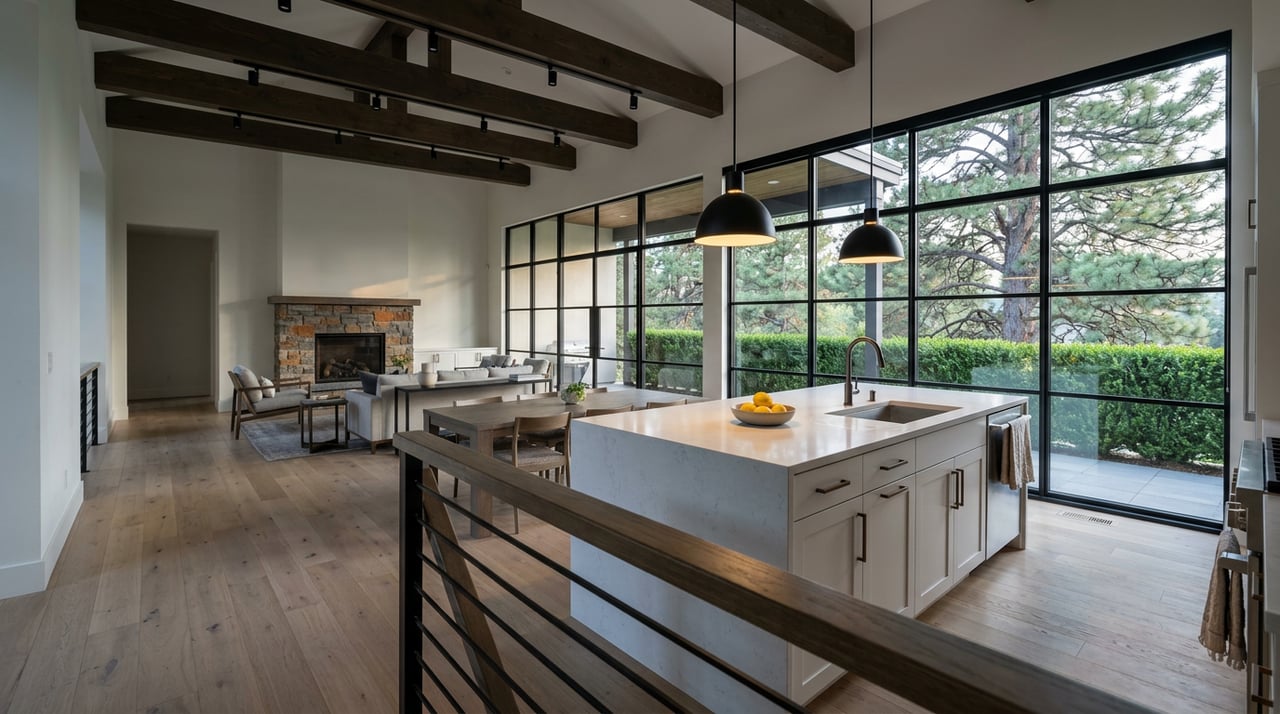
Your living room often sets the tone for the rest of the showing. Use fewer accessories, create clear walking paths, and avoid oversized furniture that makes the room feel tight.
If possible, arrange the room to highlight natural light and major features like windows or a fireplace. Buyers should be able to imagine everyday living there without distraction.
Simplify the primary bedroom
The primary bedroom should feel restful and spacious. Remove extra furniture if the room feels crowded, clear off dressers and nightstands, and keep bedding simple and neutral.
A calm bedroom helps buyers emotionally connect with the home. That emotional connection can matter just as much as square footage.
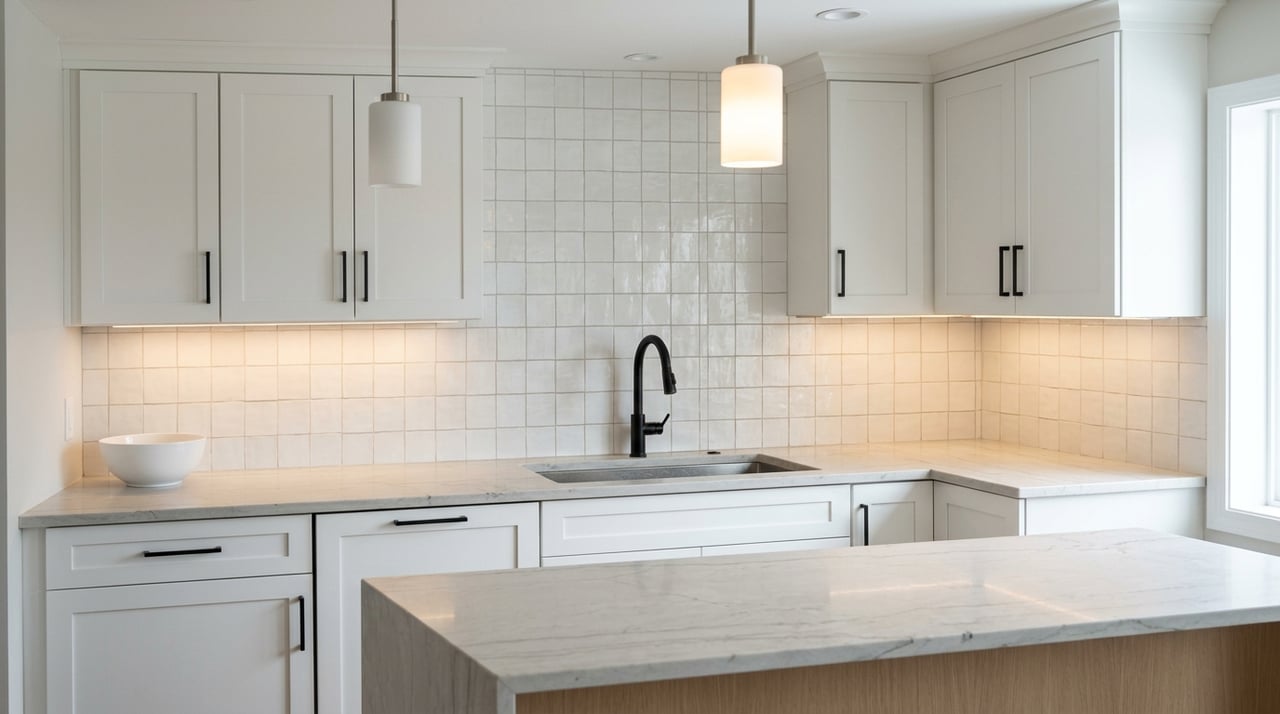
Clean up the kitchen
Kitchens do a lot of heavy lifting in a sale. Clear counters, hide small appliances, and remove magnets, notes, or extra items from the refrigerator.
If your cabinets or pantry are photographed or opened during showings, tidy those spaces too. Buyers often pay close attention to storage, layout, and cleanliness in the kitchen.
Make your online listing shine
Most buyers start their search online, so your listing needs to look finished before anyone steps through the door. According to NAR’s 2024 buyer and seller highlights, all buyers used the internet in their home search, and photos were among the most useful features on listing websites.
That means your home should be prepared for the camera, not just for in-person visitors. The details buyers overlook in person can stand out quickly in listing photos.
NAR also notes in its guidance on making online listings shine that strong visuals, virtual tours, and complete property information can shape buyer decisions before a showing is ever scheduled.
Treat photos like part of pricing strategy
Professional photography is not just a marketing extra. It can be part of how you support your asking price and attract stronger interest.
According to Zillow’s 2026 best-time-to-list analysis, listings with high-resolution images, 3D Home virtual tours, and interactive floor plans sold for 2% more than similar homes. For Denver-area sellers, that same report found that homes listed in the first two weeks of May earned a 2.2% premium on average.
Since Englewood is part of the Denver metro, that suggests two important things. First, the quality of your listing package matters. Second, if you are aiming for a spring launch, it is smart to be photo-ready and market-ready before that early May window opens.
Build a smart pre-list timeline
The biggest mistake many sellers make is waiting too long to start. If you begin prepping only a few days before listing, small issues can pile up fast.
A more manageable approach is to break the process into stages:
- 3 to 4 weeks before listing: declutter, schedule repairs, and start exterior clean-up
- 2 to 3 weeks before listing: deep clean, simplify furniture, and refine key rooms
- 1 to 2 weeks before listing: finish staging, confirm photos, and prepare for showings
- Launch week: make the home spotless, open blinds, and keep spaces consistent for photos and tours
NAR’s consumer guide also notes that the first open house is often held the weekend after a property hits the market, which can help maximize exposure when timed well.
The goal is a strong first week
Your first days on the market matter because that is when your listing is freshest and most visible. Buyers who have been watching Englewood inventory will notice new homes quickly, especially when the photos, condition, and pricing feel aligned.
When your home is clean, repaired, well staged, and professionally presented online, you give buyers fewer reasons to hesitate. That can lead to better showing activity and a smoother path forward.
Selling a home is personal, and it helps to have a plan that covers more than just putting a sign in the yard. If you want thoughtful guidance on pricing, prep, timing, photography, and launch strategy, JJ Alexander brings a relationship-first, concierge-style approach designed to help your Englewood home make the right impression from day one.
FAQs
What should Englewood sellers do first before listing a home?
- Start with decluttering, deep cleaning, and minor repairs, since these are among the most commonly recommended pre-listing steps in NAR guidance.
Which rooms matter most when staging an Englewood home for sale?
- The living room, primary bedroom, and kitchen are the top areas to prioritize based on NAR staging data.
Why are listing photos so important when selling a home in Englewood?
- Most buyers begin online, and NAR reports that photos are one of the most useful features on real estate websites.
When is a good time to list a home in the Englewood area?
- Zillow’s 2026 analysis identified the first two weeks of May as the best listing window for the Denver metro, so spring sellers may benefit from being ready before then.
How can sellers improve curb appeal before listing a home in Englewood?
- Focus on simple exterior updates like tidying landscaping, cleaning walkways, and refreshing paint where needed so the home feels cared for from the street.