Thinking about a south Denver spot that feels close to everything without the downtown hassle? Englewood might already be on your shortlist. You want clear answers on commute times, housing costs, parks, schools, and the overall vibe before you decide. In this guide, you’ll get a grounded look at everyday life in Englewood, backed by current data and local context. Let’s dive in.
Englewood at a glance
Englewood sits immediately south of Denver in Arapahoe County, giving you quick access to city life and the Denver Tech Center. The city’s estimated population is about 35,238 with a median household income near $86,800, and the mean travel time to work is about 22.6 minutes, reflecting its central location and solid transit options. These figures come from the U.S. Census Bureau’s QuickFacts for Englewood city, Colorado. You can review the snapshot on the official page for more detail from the latest releases and multi-year averages at the source on Census QuickFacts.
Getting around: light rail and quick drives
If you commute to downtown Denver, Englewood’s light rail is a key perk. Englewood Station on the RTD system provides a direct, one-seat ride to central Denver, and typical rail travel times to Union Station often land in the 30 to 36 minute range depending on time of day and schedule. For station details and Park-n-Ride info, check the facility page for Englewood Station on RTD.
If you work in the Denver Tech Center, location is a standout. The DTC in Greenwood Village is about 4 miles by road from central Englewood, which often translates to a short drive in normal traffic. You can see an example of the road distance on Travelmath’s Englewood to Greenwood Village drive distance.
Quick commute snapshots:
- To downtown Denver by rail: commonly around 30–36 minutes from Englewood Station.
- To DTC by car: roughly 4 miles, often a single-digit to low-teens minute drive, traffic permitting.
Tip: Transit times can vary with schedule changes and maintenance. Check current RTD timetables before you plan a daily commute.
Housing costs and options
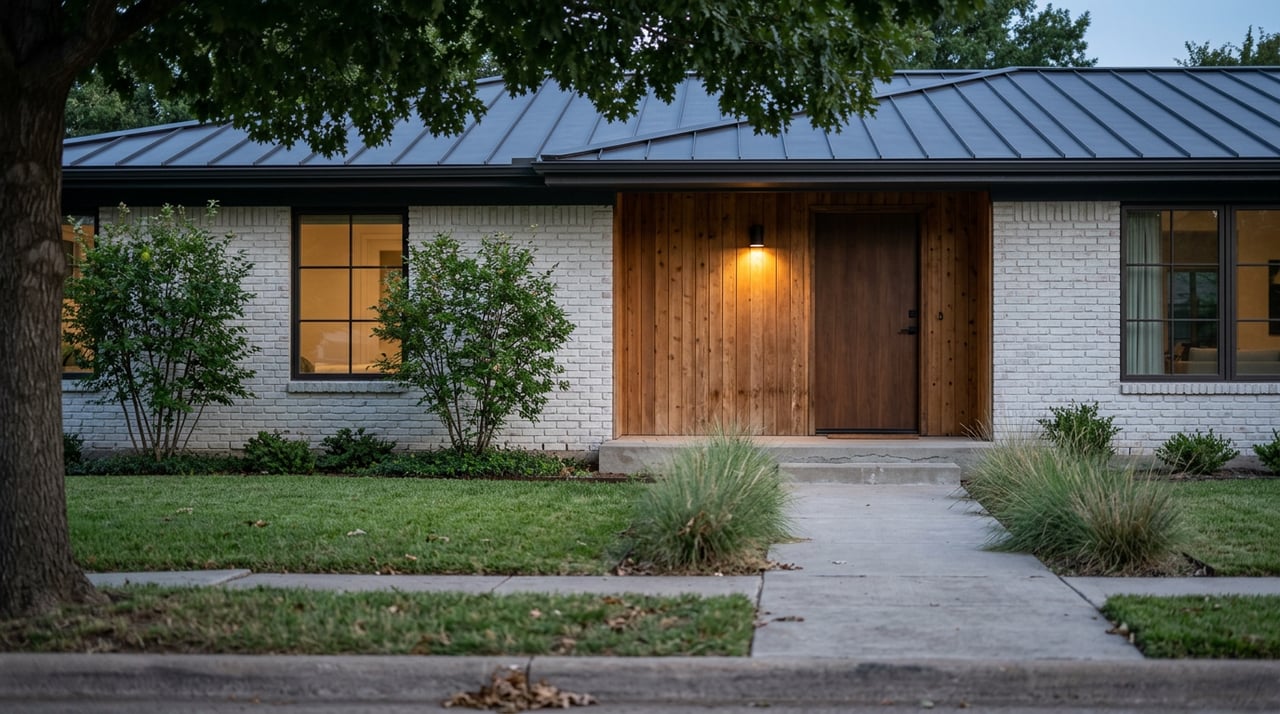
Englewood offers a mix of older single-family homes, modest bungalows and ranches, duplexes and townhomes, and newer infill condos near the Broadway and CityCenter corridors. Prices shift by neighborhood, lot size, and proximity to transit and amenities.
Here is a helpful way to view pricing as of early 2026:
- Home values: Zillow’s ZHVI shows a typical home value around $502,570 (Jan 2026 snapshot). Redfin’s MLS-based median sale price recently landed near $604,000 in Jan 2026 with a noted year-over-year decline in that snapshot. Realtor’s listing medians in Englewood tend to sit in the $500k–$560k range depending on the pocket.
- Rents: Apartment List reports averages around $1,599 for studios, $1,652 for one-bedrooms, and $2,196 for two-bedrooms, subject to frequent change. You can explore current rent trends on the Apartment List Englewood page.
Why the spread? Each source measures a different slice of the market. Zillow’s index tracks home value trends, Redfin’s figure reflects closed sales, and Realtor’s is tied to active listings. Use these as a guidepost, then narrow to your target neighborhood and property type for precise pricing.
Neighborhood feel by area
Englewood’s character shifts block to block. You will find vibrant, walkable corridors near Broadway and quieter streets with larger yards only a few minutes away.
South Broadway and CityCenter
The Broadway corridor, often called SoBo or Downtown Englewood, is the lively part of town. Expect coffee shops, local restaurants, breweries, and cultural spots like the Gothic Theatre. You will also see more infill condos and townhomes here, with the benefit of transit access and a walk-friendly environment.
Single-family parkside pockets
Areas around Cushing Park, Bates–Logan Park, Romans Park, and Maddox feature older single-family homes on medium lots, with bungalows, ranches, and craftsman styles. These are popular if you want a yard and a quieter street scene while still staying close to shops and major roads.
Medical district and nearby blocks
Near Swedish Medical Center and Craig Hospital you will find apartments and condos that draw healthcare workers and anyone who wants a very short commute to these employers. The area’s housing options and daytime activity make it a convenient landing spot for renters and buyers alike.
Walkability and parks
Englewood is part walkable urban pocket, part car-first suburb. Downtown Englewood scores in the low 80s on Walk Score, which counts as Very Walkable, while the citywide average is closer to the low 60s. The difference underscores how walkability is address by address. See the central-area numbers on Walk Score’s Downtown Englewood page.
If parks and trails are on your must-have list, Englewood delivers. The city manages about 244 acres of developed park land, including Belleview Park, the Englewood Farm & Train, River Run Trailhead, dog-friendly areas, and access to regional trail corridors like the South Platte. The city’s park overview is a good starting point on the Englewood Parks and Recreation page.
Dining and culture
Englewood’s food and beverage scene clusters along South Broadway and around CityCenter. Locals talk about neighborhood spots like Brewability, Lady Justice Brewing, and Breakfast on Broadway for a relaxed, community-forward vibe. For live music, the historic Gothic Theatre anchors the area’s entertainment lineup. Learn more about the venue’s place in Colorado culture through this overview of the Gothic Theatre.
Schools and learning options
Englewood Schools operates local K–12 campuses and programs. If you are exploring curriculum options, note that Charles Hay World School offers an IB program at the elementary level. Always verify school boundaries and program availability directly with the district when you have a specific address in mind. You can see an example school page here: Charles Hay World School.
Healthcare and major employers
Access to care is a strong suit. Swedish Medical Center is a major acute care and trauma hospital for the south metro, and Craig Hospital is a nationally recognized neuro-rehabilitation center. These institutions anchor a robust medical district and support thousands of local jobs. For broader context, review national recognition lists that highlight top-performing hospitals, such as this roundup from Becker’s Hospital Review.
Safety: how to research it well
Safety questions are normal when you are choosing a new home. Aggregated, FBI-derived summaries suggest Englewood’s reported incidents, on a per-capita basis, sit above some suburban peers. See an example of these city-level summaries at CityRating’s Englewood crime statistics. At the same time, renter satisfaction surveys often rate Englewood positively on safety and commute, which shows that experiences can vary by location and time.
Your best approach is to research at the block level. Check recent police logs and crime maps, talk with neighbors, and visit the streets you are considering at different times of day to get your own read.
Who tends to love Englewood
- Commuters to the DTC who want a short drive and a wider range of housing options than nearby jobs hubs.
- Shoppers who prioritize walkability and transit, often looking at condos and townhomes near Broadway and Englewood Station.
- Buyers who want older single-family homes with yards near parks and schools.
- Downsizers who like being close to dining, culture, and medical services.
Is Englewood a fit for you? Quick checks
Use this simple checklist as you tour:
- Commute: Will a 30–36 minute rail ride or a short DTC drive support your daily rhythm?
- Walkability: Do you want a Very Walkable pocket near Broadway, or are you comfortable with more driving for a larger lot?
- Home type: Condo or townhome near transit, or a bungalow or ranch with a yard on a quieter block?
- Budget: Align your target with current neighborhood-level medians and recent sales for your property type.
- Schools: Verify attendance boundaries and program options with the district for any address you like.
- Parks and trails: Map your favorite green spaces and routes to see how often you will use them.
Next steps: tour the pockets that match your life
If Englewood is on your radar, a short, focused tour can make the decision clear. Compare a few blocks near Broadway and Englewood Station with single-family streets closer to parks. Look at how noise, parking, and traffic feel day to day, then sanity-check pricing with recent sales and rental comps. If you want a local, relationship-first guide who knows the south Denver market inside and out, reach out to JJ Alexander to map your next steps and schedule a free, no-pressure consultation.
FAQs
What is the cost of living for housing in Englewood in 2026?
- Recent snapshots show a typical home value around $502,570 (Zillow ZHVI, Jan 2026), a median sale price near $604,000 (Redfin, Jan 2026), and listing medians in the $500k–$560k range, while average rents often sit around $1,600–$1,700 for a one-bedroom, depending on source and timing.
How long is the commute from Englewood to downtown Denver?
- With RTD light rail from Englewood Station, many riders report about 30–36 minutes to Union Station depending on schedule and time of day.
Is Englewood walkable, or will I need a car?
- Downtown Englewood earns a Walk Score in the low 80s, which is Very Walkable, while citywide walkability is lower, so your experience will depend on the exact address.
What parks and outdoor options will I find in Englewood?
- The city maintains about 244 acres of developed parkland, including Belleview Park, neighborhood greens, dog areas, and connections to regional trails such as the South Platte corridor.
Are there major healthcare facilities near Englewood homes?
- Yes. Swedish Medical Center and Craig Hospital anchor a strong local medical district, offering comprehensive care and significant employment.
How should I evaluate safety when choosing a neighborhood in Englewood?
- Start with city-level stats for context, then verify at the block level by checking recent police logs and maps, visiting at different times, and speaking with neighbors to understand on-the-ground conditions.