Wish your Northglenn home could help cover the mortgage? With the right plan, it can. House hacking lets you live in one unit and rent another, convert a compliant basement to an accessory dwelling unit, or buy a small 2–4 unit property to offset your payment. In this guide, you’ll learn what Northglenn allows, where the numbers often work, how to finance a first purchase, and the steps to get started with confidence. Let’s dive in.
Why Northglenn works for house hacking
Northglenn is a mature Denver‑metro suburb with a mix of single‑family homes, townhomes, and small multifamily buildings. The area includes many renter households, which supports demand for well‑located rentals. You can confirm local demographics and housing context in the city’s community profile on Census Reporter for a quick snapshot of who lives here and how they rent or own. See the Northglenn profile for a data overview.
Many public market snapshots often place citywide listing medians in the mid $400k range as of early 2026. Attached townhomes and condos typically list below that level, which can make them appealing for a first house hack. Small duplex inventory appears periodically and can be competitive, so preparation matters.
Transit access helps demand
The N Line serves the Northglenn / 112th Ave Park‑n‑Ride, which helps commuter convenience for residents and can broaden your tenant pool. Learn more about the Northglenn / 112th Ave Park‑n‑Ride and how it connects to downtown and the larger RTD network.
What you can legally rent in Northglenn
Local rules shape what you can build or rent on a property. Northglenn’s Unified Development Ordinance (UDO) sets use permissions and design standards you must follow.
Duplexes and attached homes
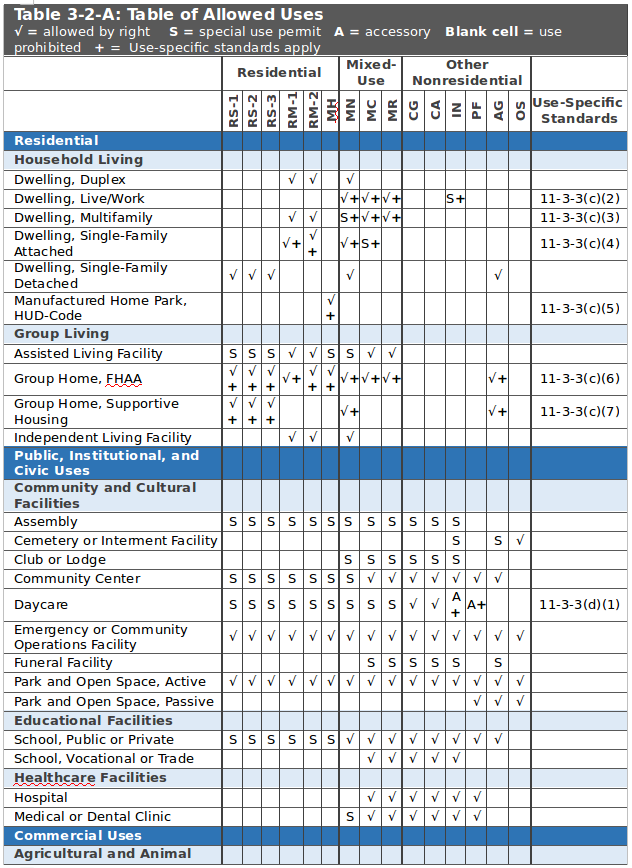
Duplexes and single‑family attached homes are allowed only in specific zoning districts. Before you assume a single‑family lot allows a duplex, check its zoning and match it to the city’s Table of Allowed Uses. Start with UDO Table 3‑2‑A and the use regulations in UDO Article 11‑3.
ADUs and basement units
ADUs are permitted where the UDO allows them and must follow specific standards. Key rules include: one ADU per property, an owner must live in either the primary home or the ADU, the size limit is 750 sq ft except that a basement ADU completely within the existing footprint may exceed 750 sq ft, ADUs may have only one bedroom, and separate water or sewer service is not allowed. Review ADU standards in UDO Article 11‑3 before planning a conversion.
Permits and safety come first
Converting or finishing a basement is not a quick DIY. The City lists basement finishes among activities that require building permits and inspections, and you will need to meet egress, smoke/CO alarm, mechanical, plumbing, and electrical codes. See the Building Division’s guidance, “Do I Need a Permit?” and plan your timeline accordingly. Start here: Northglenn Building Division permits.
Parking and site standards
Your plan may require additional off‑street parking. The UDO includes minimum and maximum parking rules, options for shared parking, and reductions near transit. Check the city’s development standards and Table of Minimum Off‑Street Parking in UDO Article 11‑4 to avoid surprises.
Short‑term rental licensing
Northglenn regulates short‑term rentals and requires an active city license to operate. ADUs are not eligible for short‑term rental use unless the owner lives on the property, and there are occupancy and advertising rules. If you are considering short‑term stays, read the city’s requirements first: Short‑Term Rental Licensing.
Pro tip: Before you buy or build, confirm the property’s zoning against Table 3‑2‑A, call the City’s Planning and Building teams for site‑specific guidance, and review any HOA covenants that may limit rentals or ADUs.
Typical price and rent bands
Public listing medians in Northglenn frequently land in the mid $400k range, with attached townhomes and condos often below that level while many single‑family homes and some duplexes trade around it. Exact numbers shift month to month, so plan to verify with live comps when you are ready to write an offer.
For rents, aggregator snapshots show broad ranges. As a general reference, city‑level averages often sit around the mid $1,000s, with 1‑ to 2‑bedroom units commonly in the roughly 1.3k to 1.8k band depending on location, finish level, and whether utilities or HOA are included. You can review a current city snapshot on RentCafe’s Northglenn rent trends. Always confirm with fresh comps for your exact ZIP and unit type.
Do not forget carrying costs. Many Northglenn households see median annual property tax bills in the low to mid $3,000s. Check your specific mill levy and taxing districts with Adams County, and use tools like Ownwell’s Northglenn tax trends for context while you underwrite.
Financing paths for first‑time house hackers
FHA for 2–4 units
FHA allows qualified owner‑occupants to purchase 2–4 unit properties with low down payments in many cases, often as low as 3.5% for eligible borrowers. Lenders commonly count 75% of projected market rent from the other unit(s) to help you qualify. Loan limits vary by county, so confirm Adams County limits and program details early. Learn the basics here: FHA 2–4 unit owner‑occupied overview.
Conventional options
Conventional and agency loans also allow owner‑occupied 2–4 unit purchases but often require higher reserves and different loan‑to‑value rules than a 1‑unit primary residence. Program specifics and pricing change, so speak with a lender who regularly closes small multifamily or ADU‑related loans before you shop.
How to run the numbers
Use a simple, consistent approach so you do not overestimate income or underestimate costs.
- Estimate realistic market rent for each rented space using current 1‑ and 2‑bedroom comps near your target property. Adjust for condition, parking, in‑unit laundry, utilities, and HOA dues if any.
- Apply a vacancy factor. A conservative 5% to 8% cushion can help cover downtime between tenants.
- Calculate your full monthly payment, including principal, interest, taxes, insurance, mortgage insurance if applicable, HOA dues, and utilities you will cover.
- Budget operating expenses. Include maintenance, capital reserves, permits, licensing, and a property management line even if you plan to self‑manage.
- Stress test. Ask whether the deal still works if rent is 5% lower, expenses are 10% higher, or you have a month vacant.
- Revisit the plan after inspection. Use repair bids to update your reserves and timeline.
Step‑by‑step plan to get started in Northglenn
Define your play. Decide whether you prefer a duplex, a townhome with a room‑rental setup, or a primary home with a compliant ADU or basement apartment.
Check zoning early. Match the parcel’s zoning to UDO Table 3‑2‑A and confirm ADU or duplex eligibility in UDO Article 11‑3.
Confirm permits and parking. Review the Building Division permit list and parking rules in UDO Article 11‑4.
Verify HOA covenants. Some associations limit rentals or ADUs even when the city allows them.
Line up financing. Discuss FHA 2–4 unit or conventional owner‑occupied options and how projected rents can be used for qualifying. Start with the FHA overview.
Pull rent comps. Use current listings and recent leases for your exact unit type and neighborhood. Cross‑check a city snapshot via RentCafe’s rent trends.
Underwrite conservatively. Include property taxes using resources like Ownwell’s Northglenn tax trends, insurance, maintenance, and a healthy reserve.
Plan for licensing if needed. If short‑term stays are part of your plan, read the city’s Short‑Term Rental Licensing rules and confirm eligibility.
Risks and how to manage them
- Code and HOA limits. ADU size, bedroom count, owner‑occupancy rules, and parking can be firm constraints. Start with UDO Article 11‑3 and your HOA documents.
- Rehab surprises. Many properties will need egress updates, safety devices, or system upgrades. The Building Division outlines permits and inspections so you can budget correctly.
- Yield pressure. Small assets can trade at prices that compress returns. Underwrite with conservative vacancy and expense assumptions, and compare against alternative neighborhoods before you commit.
- Management time. Turnover, tenant screening, and maintenance coordination take effort. Decide early if you will self‑manage or hire help, and price the difference into your plan.
A local partner you can trust
If you want a home that helps pay for itself, you need local rules, real numbers, and a step‑by‑step plan. That is where we come in. We help you match the right property type to your goals, confirm what is legal on a specific lot, and underwrite a realistic rent offset so you feel confident from contract to closing. Ready to explore Northglenn house hacking or a first small rental? Connect with JJ Alexander to map your strategy.
FAQs
Can I live in one unit and rent the others in Northglenn?
- Yes, many buyers do this with 2–4 unit properties using owner‑occupied financing; confirm program rules, occupancy timing, and local UDO and HOA requirements. See the FHA 2–4 unit overview.
Are basement apartments legal in Northglenn?
- Possibly, if they meet ADU standards or local rental codes, and you pull permits for basement finishes with proper egress and safety features; review UDO Article 11‑3 and the Building Division permit list.
Can I use an ADU as a short‑term rental in Northglenn?
- Northglenn requires a license for short‑term rentals and does not allow ADUs for STR use unless the owner lives on the property; confirm details in the city’s Short‑Term Rental Licensing rules.
Do I need extra parking for an ADU or duplex?
- You may, depending on zoning and proximity to transit; check the city’s parking standards and any reductions near transit in UDO Article 11‑4.
What rents should I expect for a 1‑ or 2‑bedroom in Northglenn?
- Averages often land in the mid $1,000s citywide, with many 1‑ to 2‑bedroom comps around 1.3k to 1.8k depending on condition and location; confirm with current comps and a snapshot like RentCafe’s rent trends.