Thinking about a move to Castle Rock and wondering what daily life actually feels like here? You’re not alone. Many buyers want the outdoor perks and small-town vibe without giving up access to the Denver or Colorado Springs job markets. In this guide, you’ll learn how commuting works, where people shop and play, what housing looks like, and the real pros and trade-offs to consider. Let’s dive in.
Where Castle Rock sits and how it feels
Castle Rock sits along the south Denver corridor on Interstate 25, roughly midway between Denver and Colorado Springs. You get a suburban pace with quick highway access in both directions. The town has grown quickly over the past two decades, and its population is in the tens of thousands.
Elevation is in the low 6,000-foot range, a bit higher than Denver. The climate is semi-arid, with four distinct seasons, relatively low humidity, snowy periods in winter, and warm, dry summers. Many residents choose Castle Rock for its blend of open space, newer neighborhoods, and a community-oriented feel.
You’ll see a mix of young families, middle-aged commuters, and some active-adult neighborhoods. The local economy includes retail and health services, though many people commute north or south for work.
Commute and getting around
Driving on I-25
I-25 is the main spine through town. In light traffic, the drive to downtown Denver can be about 30 to 45 minutes depending on your exact starting point. Peak periods often run longer, and congestion on I-25 is the most common pain point you’ll hear about. State Highway 86 runs east-west and connects neighborhoods back to the interstate.
If you value a predictable schedule, build buffer time into morning and evening commutes. Many households plan their day around peak times or embrace hybrid work to minimize stress.
Transit options
Direct rail service to Castle Rock is limited or not available in most cases. Regional service tends to be bus-based. Expect less frequent schedules and longer door-to-door travel compared to core Denver neighborhoods. Most residents rely on private vehicles, and two-car households are common. Carpooling or express buses may help at peak times depending on current offerings.
Airports and regional access
You have two main airport choices. Denver International Airport is typically a 40 to 60 minute drive in good conditions. Colorado Springs Airport is closer to the south and can be a convenient option for regional flights.
Schools and everyday essentials
Public, charter, and private schools
Castle Rock is served by the Douglas County School District, one of the larger suburban districts in Colorado. School performance varies by campus and boundary area, so it’s best to review individual school report cards and speak with administrators if schools are a key part of your decision. Private and charter options exist in and around town, with availability that depends on location and enrollment.
Healthcare and services
You will find local medical facilities and urgent care in town, with hospital and specialty providers in Castle Rock or a short drive away in nearby suburbs and Denver. Routine needs are easy to cover close to home, and you have metro-level care within reach.
Shopping and dining
The Outlet Collection at Castle Rock is a regional draw and gives you a wide range of brands and deals near I-25. Beyond that, you’ll find typical suburban corridors with grocery stores and big-box retail. Historic downtown Castle Rock around Wilcox Street offers independent shops, cafes, and services for a more local, walkable vibe.
Town events, farmers’ markets, and seasonal celebrations give the calendar a steady rhythm. Arts and culture run on a smaller scale than urban cores, but community theater, galleries, and live music pop up throughout the year.
Parks, trails, and outdoor lifestyle
Signature parks and open space
Castle Rock’s identity is tied to its namesake rock formations, ridgelines, and open space. Philip S. Miller Park is a standout with trails, playgrounds, and special amenities that anchor year-round activity. Ridgeline Open Space and other natural areas connect into an extensive trail network for hiking and biking.
Trails and walkability
Many neighborhoods were planned with greenbelts and paths, so you can often bike or walk for recreation or short local trips. Walkability varies by area. You’ll find the highest concentration around historic downtown and select mixed-use nodes. Outer neighborhoods tend to be more car-oriented.
Day trips and mountain access
Several state and regional parks are within a short drive. It’s easy to plan quick hikes, mountain bike outings, fishing trips, or winter recreation days without long highway marathons. That proximity to nature is one of the top reasons people choose Castle Rock.
Housing and neighborhood types
Typical homes and styles
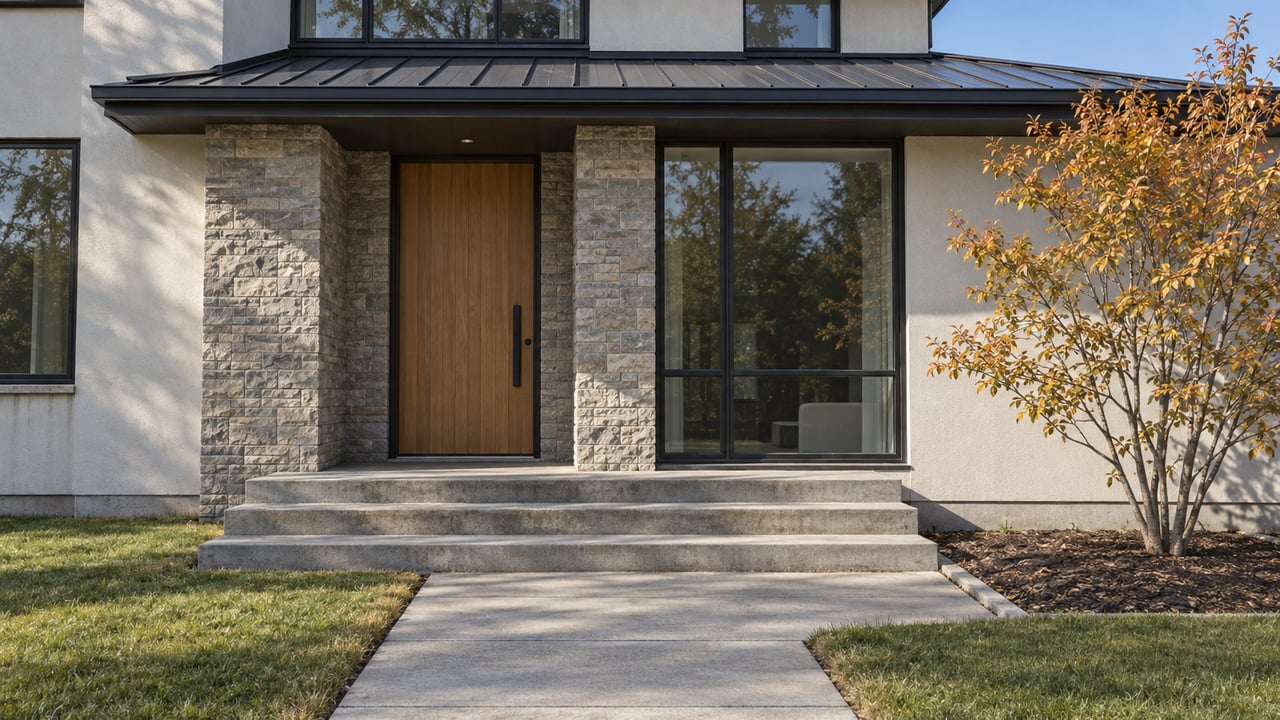
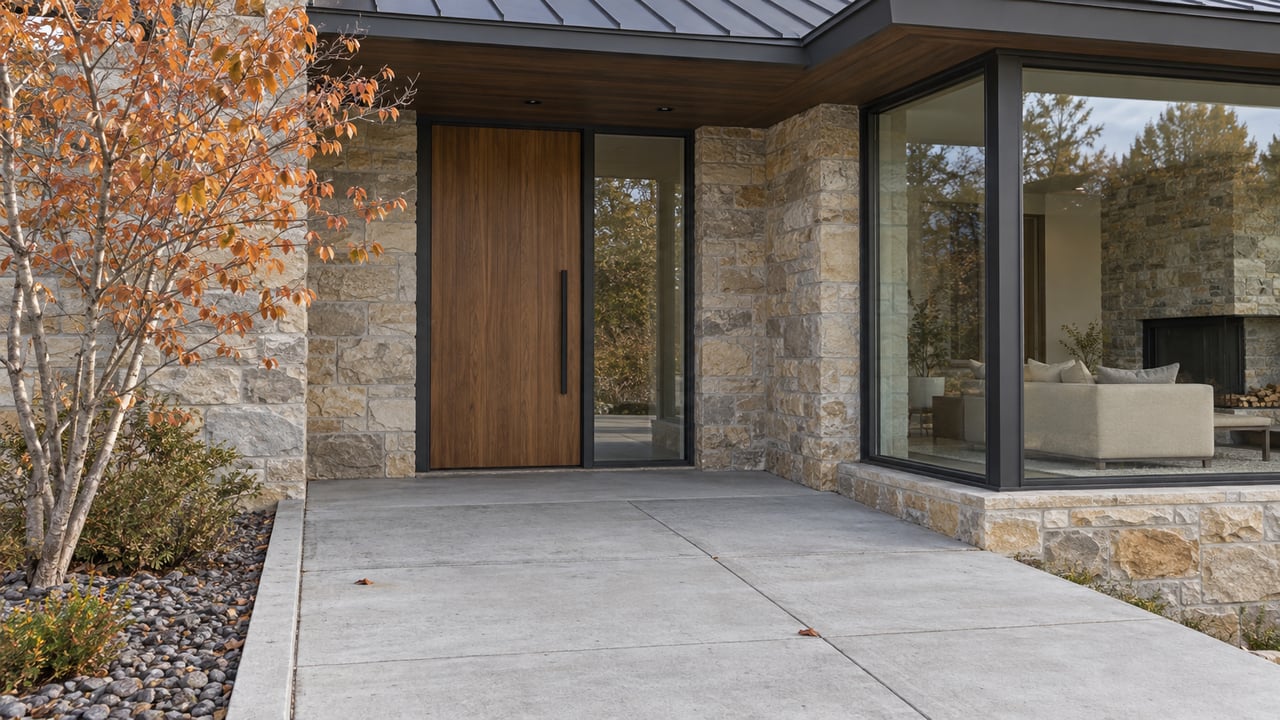
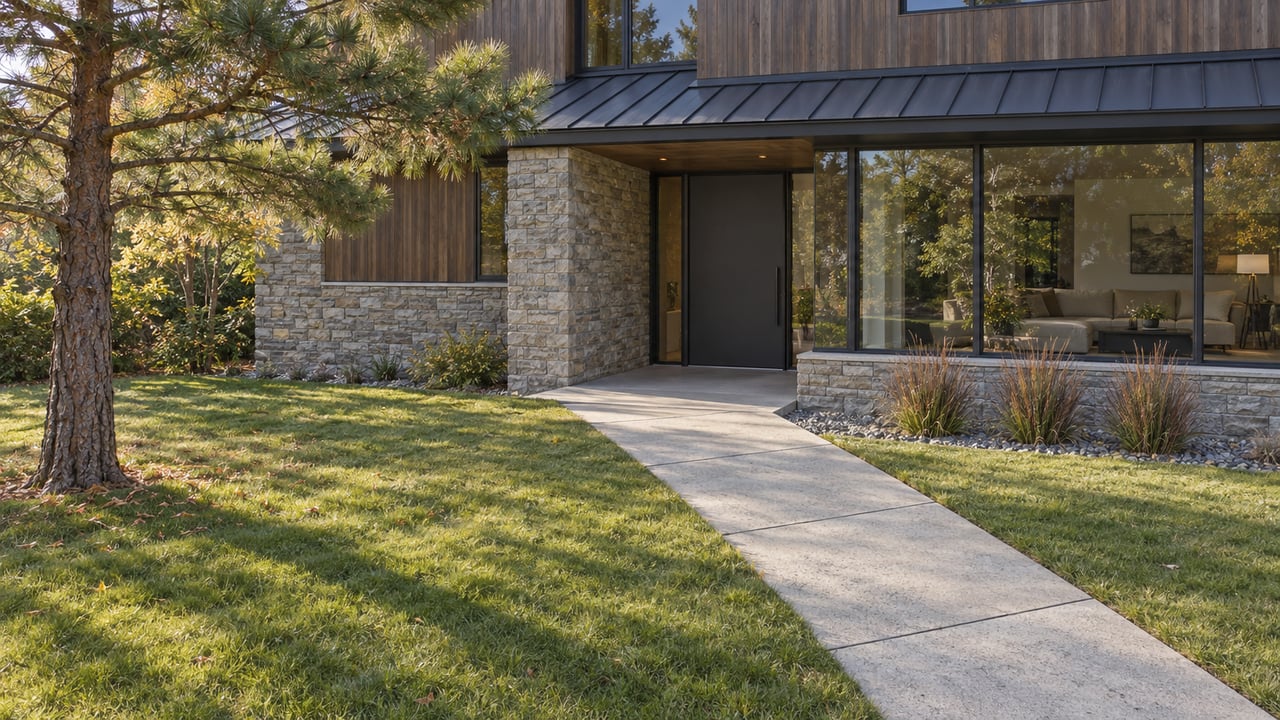
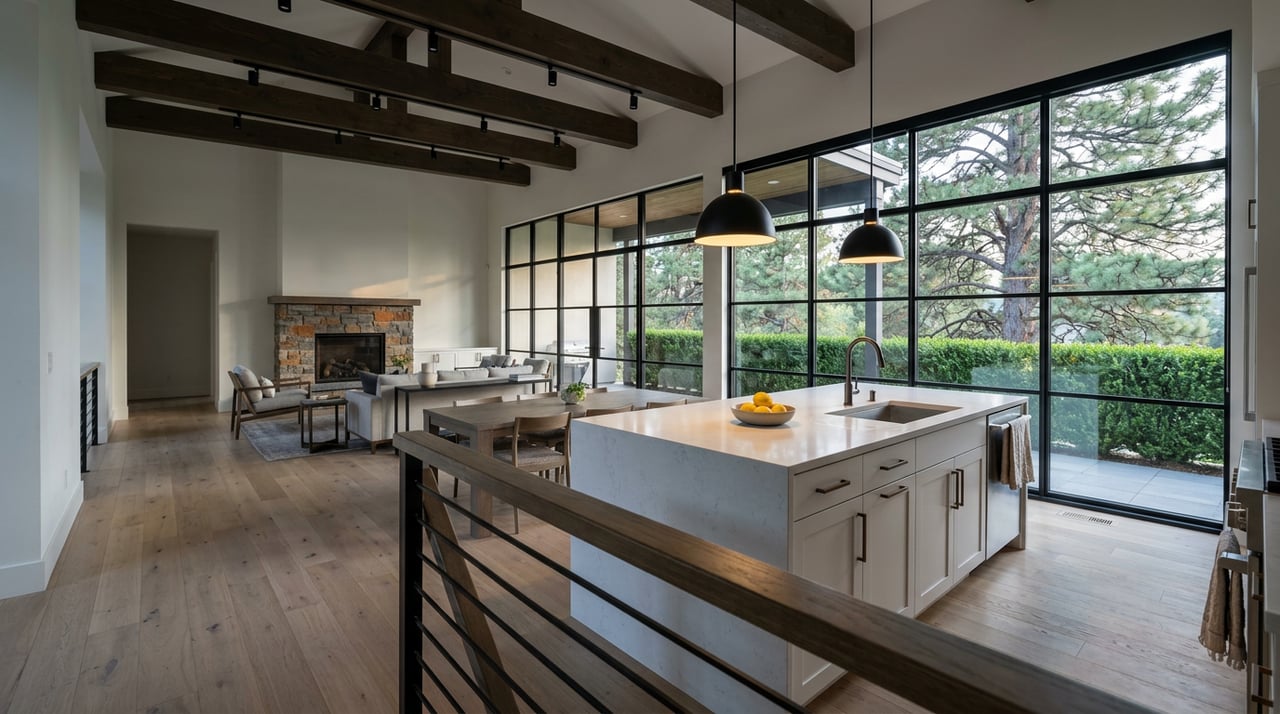
Expect a strong concentration of single-family detached homes, many built since the 1990s. You will also find townhomes, patio homes, and some condo developments. Master-planned communities with shared amenities are common, along with older, smaller-lot neighborhoods closer to downtown. Architectural styles include modern ranch, two-story traditional, and contemporary designs, plus some custom and luxury properties on larger lots or ridgelines.
Lots, HOAs, and ownership costs
Lot sizes vary. Many neighborhoods offer moderate yards, while some newer communities trade lot size for amenities. Properties on the western edges or along ridgelines may have larger parcels and views. HOAs are common in newer subdivisions, so be sure to review covenants, fees, and amenity details. Property taxes follow county rates, and insurance can reflect Colorado conditions like wind, hail, and wildfire exposure.
Price landscape and availability
Castle Rock home prices tend to sit above national averages and are comparable to or slightly higher than many Denver-area suburbs. Prices vary widely by neighborhood, age, lot size, and proximity to I-25 or downtown. Inventory can feel tight in the most sought-after areas. New construction continues in planned communities, which creates options for buyers who prefer brand-new homes or builder warranties. For the latest pricing and inventory, it’s best to review current listings and local market reports.
Who Castle Rock fits best
- Commuters who want a suburban lifestyle and can manage a car-based trip to Denver or Colorado Springs.
- Families who value yards, trail access, and school options within Douglas County.
- Buyers drawn to newer construction and master-planned amenities.
- Anyone seeking a quieter pace than Denver’s core while staying within a reasonable drive of city jobs and culture.
Trade-offs to weigh
- Peak traffic on I-25 and key arterials can add time and frustration.
- Housing costs sit above many parts of the country, with competition in top neighborhoods.
- Walkability is mixed. Downtown is more pedestrian-friendly, while many subdivisions favor the car.
- Semi-arid climate and wildland-urban interface areas mean you should plan for defensible space and appropriate insurance.
Practical tips before you buy
- Test-drive your commute during the times you care about most.
- Review HOA documents for fees, rules, landscaping standards, and amenity hours.
- Confirm school boundaries and compare individual school data for the areas you like.
- Get insurance quotes that factor in wind, hail, and wildfire exposure near open space.
- Ask about water providers and any development plans that could affect future availability or rates.
- Walk the local trail network near each neighborhood to see how it fits your lifestyle.
- Visit at different times of day to check noise, traffic, and light patterns.
Ready to explore homes in Castle Rock?
If Castle Rock sounds like a fit, you deserve a local guide who knows the south metro neighborhood by neighborhood. Our approach is simple: relationships first, clear advice, and a plan tailored to your goals. Whether you want a master-planned community near parks or an older home close to downtown, we will help you compare options, understand trade-offs, and move with confidence. Let’s talk about your timeline, budget, and must-haves, then map the best path forward with JJ Alexander.
FAQs
How long is the commute to downtown Denver from Castle Rock?
- Off-peak drives can be about 30 to 45 minutes depending on where you start, while peak periods often run longer due to I-25 congestion.
Are there public transit options in Castle Rock for commuters?
- Rail service is limited or unavailable, and regional bus options exist but are less frequent than inner Denver; most residents drive.
What types of homes are common in Castle Rock?
- Predominantly single-family homes built since the 1990s, with townhomes, patio homes, condos, and some custom or luxury properties.
Is Castle Rock walkable for daily errands?
- Walkability is highest around historic downtown and select mixed-use areas; many outer neighborhoods are more car-dependent.
What should homeowners know about wildfire and weather risks in Castle Rock?
- Some areas border open space, so plan for defensible space and insurance that covers wildfire, wind, and hail, along with four-season weather conditions.