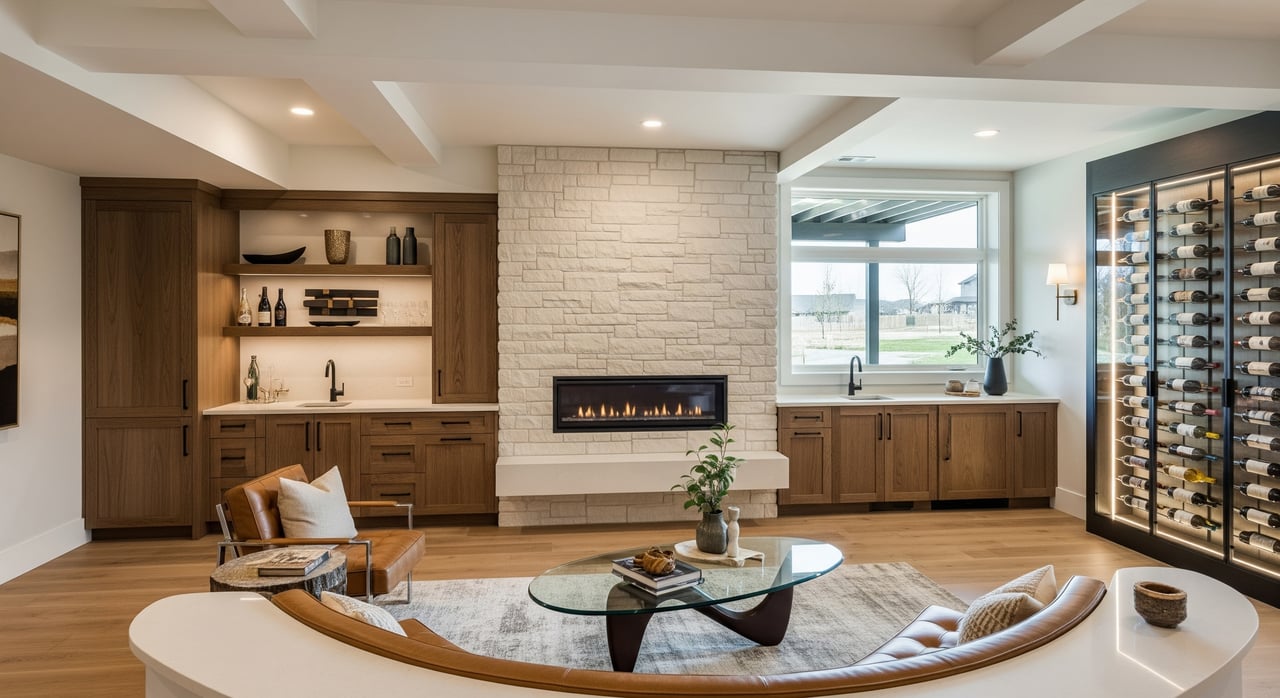
Thinking about turning your Brighton basement into livable space this year? A well-planned finish can unlock a guest suite, playroom, or home office and make your home more marketable. The key is getting permits, egress, and code details right so you protect your investment and avoid surprises. This guide walks you through permits, egress rules, core code items, value and ROI, plus a practical checklist to plan your project with confidence. Let’s dive in.
Know your permitting authority
Before you draw plans, confirm whether your address is inside the City of Brighton or in unincorporated Adams County. Each uses its own building division, permits, and inspection process. Verifying jurisdiction upfront saves time and avoids rework.
Most basement finishes require multiple permits:
- Building permit for framing, walls, ceilings, insulation, and egress
- Electrical permit for new circuits, lighting, receptacles, and alarm interconnects
- Plumbing permit for new or relocated fixtures and drains
- Mechanical/HVAC permit for ducts, equipment moves, and combustion air
- Separate permits if you add gas lines or radon mitigation
Your submittal typically includes a floor plan, window and egress details, stair and headroom dimensions, any structural changes, and rough-in plans for mechanical, electrical, and plumbing. Expect staged inspections at rough-in, insulation/air-seal, and final. Contact the City of Brighton Building Division or the Adams County Building Department early to confirm current forms, fees, and submittal checklists. Permitted work is usually required for insurance and mortgage underwriting, and it helps appraisers credit your finished space appropriately.
Egress essentials for bedrooms and living areas
If your basement will include a sleeping area, you need a compliant emergency escape and rescue opening. That can be a door to the outside or an approved egress window.
Common egress window minimums used in many jurisdictions:
- Net clear opening area of 5.7 sq ft; some grade-level openings may allow 5.0 sq ft
- Minimum clear opening height of 24 inches and width of 20 inches
- Maximum sill height of 44 inches above the finished floor
- Window wells must allow safe escape; a 36-inch clear dimension is common, with a ladder or steps if the well is deep
A full-size exterior door can be a straightforward solution when layout allows. Egress is one of the most common issues that triggers inspection comments or appraisal adjustments, so plan it first.
Ceiling, stairs, and alarms: common review items
Habitable basement rooms typically need a 7-foot minimum ceiling height. Limited areas under beams or ducts may allow lower heights in some codes, but you should verify specifics with the local building department. Rooms also need required natural light and ventilation or code-compliant mechanical ventilation.
Stairways must meet typical IRC standards many Colorado communities use:
- 36-inch minimum clear width
- Maximum riser height around 7 3/4 inches
- Minimum tread depth around 10 inches
- 6 feet 8 inches minimum headroom
Smoke alarms are usually required in every sleeping room, outside sleeping areas, and on each level, with hardwiring and interconnection if you pull an electrical permit. Carbon monoxide alarms are required outside sleeping areas if you have fuel-burning appliances or an attached garage.
Mechanical, plumbing, and moisture planning
If your furnace and water heater live in the basement, keep clearances, service access, and combustion air in mind. Converting space to living areas may require a dedicated utility room, direct venting, or additional combustion air openings. If you plan to condition the basement, consider extending ducts, adding a mini-split, or other heating and cooling solutions. These changes typically trigger a mechanical permit.
Adding a bathroom requires a plumbing permit along with proper drain, waste, and vent design. Inspectors look for correct slope, venting, trap primers for floor drains, and accessible cleanouts. Sump pump discharge locations are regulated. Many jurisdictions do not allow discharge to the sanitary sewer; exterior discharge away from the foundation or to a storm system may be required.
Moisture and radon are key. Good grading, drainage, vapor control, and careful material choices help prevent mold and long-term damage. The EPA action level for radon is 4.0 pCi/L. Testing before you finish and again after completion is a best practice in Colorado’s moderate-to-high radon potential areas. If levels exceed the threshold, a sub-slab depressurization system is commonly recommended and can be permitted like other mechanical work.
Energy and insulation basics
When you convert a basement to conditioned space, expect energy-code requirements for basement walls, rim joists, and any ducts. Air sealing is just as important as insulation for comfort and durability. The local energy code is typically based on the IECC as adopted with Colorado amendments. Verify details with the City of Brighton or Adams County before you finalize plans.
Appraisal, value, and ROI in Adams County
Appraisers typically report below-grade finished area separately from above-grade Gross Living Area. Finished basements add value, but often at a lower per-square-foot rate than main-level space. Appraisers consider quality of finish, legal compliance, ceiling height, egress, functionality, and natural light when making adjustments.
Unpermitted or unsafe work can be excluded from valuation by appraisers and lenders. Keeping permits, approved plans, and inspection records on file helps establish credibility and supports your value at resale.
What ROI can you expect?
Costs vary widely by scope, from basic finishes to high-end builds with custom bars and bathrooms. As a planning guide, many projects recover only part of their cost at resale, commonly around half to roughly two-thirds depending on finish level and local demand. Your best bet is a permitted, safe, and well-executed design that aligns with Brighton buyer preferences, such as an open rec room, a modern bathroom, and a legal bedroom with proper egress.
Step-by-step planning checklist
- Confirm jurisdiction: City of Brighton vs. unincorporated Adams County
- Review lot and utilities: grading, floodplain, sewer or septic connections
- Test for moisture, mold, and radon; plan mitigation if needed
- Draft a floor plan with egress, stair headroom, and utility layout
- Engage experienced pros: contractor, and designer or engineer if structural changes are planned
- Submit for building, electrical, plumbing, and mechanical permits
- Plan inspections: rough-in, insulation/air-seal, and final
- Select moisture-smart materials and energy-compliant insulation details
- Budget contingencies for sump upgrades, structural headers, or utility moves
- Keep documentation: permits, approved plans, and inspection reports
Common pitfalls to avoid
- Skipping permits, which can derail loans, insurance, and appraisal value
- Undersized egress windows or noncompliant window wells
- Low ceiling heights that limit habitable classification
- Inadequate moisture control or skipping radon testing and mitigation
- HVAC oversights that compromise comfort, combustion air, or safety
- Ignoring HOA or deed rules that affect exterior window wells or equipment
Next steps and local help
Start by confirming your jurisdiction and permit path, then build a plan that meets egress, stair, and energy requirements. Test for moisture and radon before you frame, and choose materials that can handle below-grade conditions. Keep a clean paper trail so your finished space is easy to verify when you refinance or sell.
If you want a realistic plan for budget, features buyers want, and resale timing in Brighton and Adams County, let’s talk. Schedule a Free Consultation with JJ Alexander Real Estate. We’ll help you weigh options, connect you with trusted local pros, and position your project for both comfort now and stronger resale later.
FAQs
Do you need a permit to finish a basement in Brighton, CO?
- Yes. Basement finishes typically require building, electrical, plumbing, and mechanical permits, with plan review and staged inspections.
What are the egress rules for a basement bedroom in Adams County?
- Sleeping rooms need a compliant exit, usually an egress window with about 5.7 sq ft net clear opening, limits on sill height, and a window well sized for safe escape.
Will a finished basement count as square footage in an appraisal?
- Appraisers usually report below-grade area separately from above-grade Gross Living Area and make market-based adjustments rather than counting it as full GLA.
Do you need radon testing before finishing a basement in Colorado?
- Testing is strongly recommended. The EPA action level is 4.0 pCi/L, and mitigation is recommended at or above this level.
What ceiling height is required for a finished basement?
- Habitable rooms commonly require a 7-foot ceiling, with limited exceptions for areas under beams or ducts depending on local code.
Can you add a bathroom in a Brighton basement without a permit?
- No. Adding fixtures and drains requires a plumbing permit and inspections for proper slope, venting, trap primers, and cleanouts.