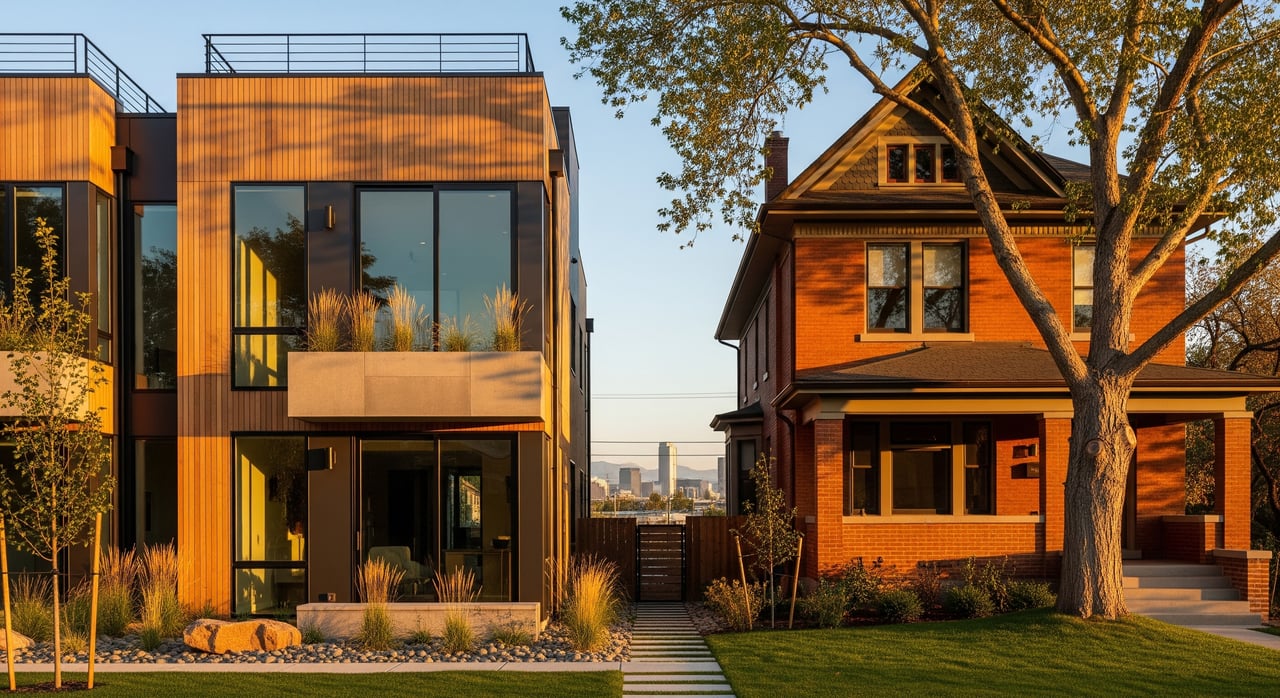
Choosing between a brand-new build and a character-filled resale in Denver can feel like a coin toss. You’re weighing cost, timing, commute, neighborhood feel, and how much work you want after move-in. This guide distills the pros and cons of each path, with Denver-specific context and a clear checklist so you can move forward with confidence. Let’s dive in.
Quick answer: who each option fits
Choose new construction if you want:
- Modern efficiency, new systems, and warranties.
- The chance to pick floorplans and finishes.
- Potential builder incentives that lower your monthly payment.
Choose resale if you want:
- A faster move-in timeline and established neighborhoods.
- More competitive pricing per square foot in many areas.
- Mature landscaping, nearby services, and easier appraisal comps.
Denver market snapshot
Denver saw rapid price growth through 2020–2021, then a slowdown as mortgage rates rose in 2022–2024. You can track recent movement in rates in the Freddie Mac Primary Mortgage Market Survey and local trends via Denver Metro Association of REALTORS market reports. Rate shifts affect both builder activity and resale demand, so timing matters.
Inside the city, you’ll see more resale condos, townhomes, and infill new builds on smaller lots. Larger new-home communities cluster in suburbs such as Aurora, Thornton, Parker, and Highlands Ranch. Land prices and zoning inside Denver influence what builders can deliver, which is why townhomes and compact single-family lots are common in central areas. To understand future inventory, watch building-permit activity through the U.S. Census construction data and the city’s Denver permitting resources, and follow the Home Builders Association of Metro Denver for local builder trends.
Cost and value
New construction pros
- Pricing clarity at contract for the base home and standard finishes. Builder incentives may include closing-cost help, interest-rate buydowns, or upgrade credits.
- New systems and major components reduce near-term repair costs.
- Energy-efficient construction and up-to-date codes can lower operating costs.
New construction cons
- Often a higher price per square foot in many submarkets. Lot premiums in desirable infill areas can add cost.
- Upgrades add up quickly. Final price can stretch your budget if you expand options.
Resale pros
- Frequently lower per-square-foot pricing in established neighborhoods and more room for negotiation in a cooling market.
- You may find renovated homes that offer updated finishes without new-build premiums.
Resale cons
- Older roofs, HVAC, or windows can require near-term investment. Energy efficiency may trail current code standards.
- Hidden issues are possible, even with inspections, especially in older properties.
Timing and certainty
New construction offers selection and warranties, but timelines vary. Delivery can range from several weeks for a completed spec home to many months for a to-be-built plan. Supply chain or weather delays can push closing. In phased communities, amenities may take years to fully complete.
Resale typically closes faster. You can tour, make an offer, inspect, and often close within 30 to 45 days, depending on financing. The tradeoff is fewer choices in floorplan and finishes.
Customization and design
If you buy a new build early, you can usually pick floorplans, finishes, and sometimes structural options. That customization is a major draw but can increase both cost and timeline. Resale homes let you remodel over time on your schedule. You may also find architectural character or lot sizes that are hard to replicate in newer subdivisions.
Inspections and warranties
New homes still need inspections. Third-party checks at key stages help catch issues before drywall and prior to closing. Most builders offer limited warranties that separate workmanship, systems, and structural coverage. To understand typical structures, review an industry example like 2-10 Home Buyers Warranty and always get the exact terms from your builder in writing.
Resale buyers rely on full home inspections, plus specialists as needed for roofs, HVAC, sewer scopes, and foundations. Inspections inform repair requests or credits and help you gauge near-term maintenance.
Financing and appraisal
For completed spec homes, you’ll use standard purchase financing. Custom builds often require construction-to-permanent loans with draw schedules and extra documentation. Appraisals can be more complex for unique homes or brand-new communities without many comparable sales. Keep an eye on current rate trends in the Freddie Mac PMMS and confirm early if you plan to use FHA or VA financing, since certain new-construction approvals may be required.
Resales typically work with common mortgage products and have more abundant comps. If you plan a remodel, renovation loans like FHA 203(k) or Fannie Mae HomeStyle can bundle improvements with your purchase.
Neighborhood maturity and resale outlook
New communities may include fresh infrastructure and HOA-maintained amenities. They can also take time to feel established, and nearby retail or transit might still be catching up. Mature neighborhoods offer parks, tree canopy, transit access, and an established sense of place. Long-term appreciation follows fundamentals like location, housing supply, and access to services, whether the home is new or resale.
Taxes, HOAs, and rules
Colorado property tax assessments can change with market shifts, which affects monthly costs. Many new developments include HOAs that maintain common areas and amenities. Dues can start low and adjust as the community builds out. Building and energy codes also shape new-home features and costs. For local permitting and code context, explore Denver’s planning and permitting resources and broader industry updates from the National Association of Home Builders.
Decision checklist for Denver buyers
- Clarify must-haves
- Timeline and move-in date
- Commute pattern and access to services or transit
- Floorplan needs, yard size, and maintenance tolerance
- Budget, including reserves for upgrades or repairs
- Compare total cost
- New build: get full upgrade pricing, HOA dues, estimated taxes, and expected utilities.
- Resale: review disclosures, inspection findings, and quotes for near-term repairs.
- Plan financing early
- Ask lenders about builder incentives and rate buydowns.
- Confirm if construction-to-permanent financing is needed for a custom build.
- Verify eligibility if using FHA or VA programs on new homes.
- Inspect and verify
- New build: schedule third-party phase inspections, attend the walkthrough, and get warranty terms and response timelines in writing.
- Resale: order a full home inspection and specialist checks as needed.
- Appraisal and comps
- For unique new builds, review nearby sales and understand appraisal risk with your lender and agent.
- Builder due diligence
- Research reputation and responsiveness. Use references, community feedback, and public records.
- Neighborhood maturity
- Visit at different times of day and check community build-out timelines and planned amenities.
- Energy and tech readiness
- Confirm insulation levels, HVAC efficiency, EV charging rough-in, and any solar or electrification features.
Tips for Denver sellers of resales
- Position against new builds: Price strategically and highlight advantages like location, mature landscaping, larger lots, or unique character.
- Prep for market: Complete punch-list repairs, deep clean, and stage for a move-in ready feel.
- Offer flexibility: Consider repair credits or rate buydown assistance if local builders are aggressive with incentives.
Two real-world scenarios
You need to move this summer: A well-maintained resale in an established neighborhood may be your most predictable path. You can negotiate repairs after inspection and plan your move with confidence.
You want a tailored layout and can wait: A to-be-built home lets you pick finishes and structure your space. Budget for upgrades, track the construction timeline, and review warranty terms so you know what is covered after closing.
Local next steps
- Watch the market: Check the latest DMAR market reports to understand current pricing and inventory.
- Track building activity: See broader permit trends in the U.S. Census construction data and connect with the Home Builders Association of Metro Denver for regional builder context.
- Get personal guidance: Your situation is unique. If you want a side-by-side comparison tailored to your budget, timeline, and target neighborhoods, let’s talk.
Ready to weigh your options with a local expert who puts relationships first? Schedule a Free Consultation with JJ Alexander.
FAQs
Is a new build always more expensive in Denver?
- Not always, but new homes often carry higher price-per-square-foot. Incentives and your upgrade choices can change the final cost, so compare total monthly and long-term expenses.
Do I need an inspection for new construction?
- Yes. Use third-party inspections at key stages to catch issues early and document punch-list items before closing.
How long are builder warranties on new homes?
- It varies by builder, but coverage often separates workmanship, systems, and structural elements. Always review the written warranty terms before you sign.
How fast can I close on a resale in Denver?
- Many resale purchases close in 30 to 45 days, depending on financing and the results of inspections and appraisal.
What financing is common for a custom new build?
- Many buyers use construction-to-permanent loans with draw schedules. Work with a lender experienced in construction lending and confirm program eligibility early.